Il 40% in meno sui tempi di vendita. Il 50% in più di valore percepito. Non sono proiezioni ottimistiche: sono i dati che Inside Group Technology ha misurato sugli immobili presentati con rendering 3D rispetto a quelli proposti con sola documentazione tecnica.
Se gestisci un'agenzia immobiliare, questi numeri significano una cosa concreta: meno mesi di invenduto, margini di trattativa più solidi, portafoglio che ruota più velocemente. In questa guida ti spieghiamo come funziona il rendering per il settore immobiliare, quali tipologie esistono, quanto costa e come integrarlo nel tuo processo di vendita senza complicarti la vita.

Perché le agenzie immobiliari usano il rendering
Il problema che risolve il rendering è semplice da descrivere: i tuoi clienti non riescono a vedere il potenziale di un immobile. Una planimetria con linee nere su fondo bianco non comunica volumi, luce, atmosfera. E un appartamento vuoto (o peggio, da ristrutturare) scoraggia anche chi ha il budget per comprarlo.
In Archivision collaboriamo regolarmente con agenzie e developer. Il pattern che vediamo è sempre lo stesso: immobili fermi sul mercato per mesi che si sbloccano nelle settimane successive alla pubblicazione dei render. Non cambia la casa, non cambia il prezzo. Cambia la capacità del cliente di immaginare la propria vita dentro quelle mura.
I dati confermano l'esperienza. Secondo Inside Group Technology, citata da Avvenire, solo a Milano risultavano migliaia di immobili invenduti da oltre un anno. Il problema, nella maggior parte dei casi, non è il prezzo: è la presentazione.
Le agenzie che usano rendering professionali ottengono tre risultati misurabili:
- Tempi di vendita ridotti: meno mesi sul mercato significa meno costi di gestione e capitale che ruota più velocemente
- Margine di trattativa protetto: quando il cliente "vede" il valore, resiste meno alla cifra proposta
- Differenziazione sui portali: un annuncio con render professionali genera più click e più richieste di appuntamento rispetto alla media
Non è una questione estetica. È una questione di business.
Se vuoi approfondire un caso specifico, abbiamo una guida dedicata all'home staging virtuale.
Il mercato in numeri
Secondo FIMAA-Confcommercio (indagine mercato immobiliare residenziale, marzo 2025), il mercato italiano prevede oltre 750.000 transazioni nel 2025, con un incremento del 4,5% rispetto al 2024. L'Osservatorio OMI dell'Agenzia delle Entrate conferma il trend: nel primo trimestre 2025 le compravendite residenziali sono cresciute del +8,1% rispetto allo stesso periodo del 2024, con punte del +11,3% a Torino e +10% a Palermo (fonte: OMI). Scenari Immobiliari stima per l'Italia il maggior incremento percentuale di fatturato immobiliare in Europa nel 2025, con un +6,8% (fonte: Scenari Immobiliari, Outlook 2025).
Più transazioni significano più concorrenza per accaparrarsi i mandati migliori. In questo contesto, gli strumenti di presentazione diventano un fattore competitivo diretto.
Tipologie di rendering per il real estate
Non tutti i render sono uguali e non tutti servono per ogni immobile. Ecco le tipologie che utilizziamo più spesso per le agenzie, con indicazioni su quando ciascuna è la scelta giusta.
Rendering interni
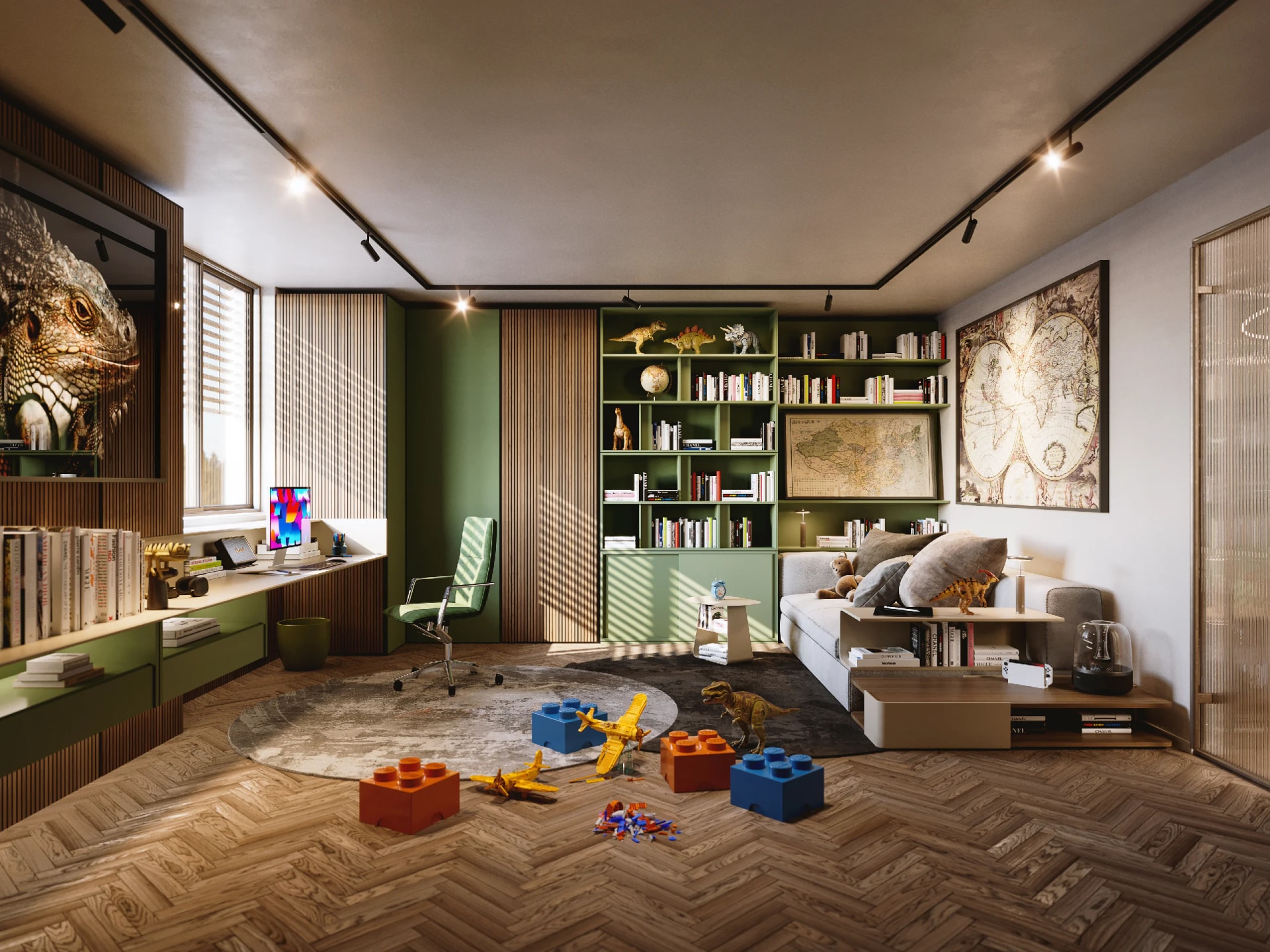
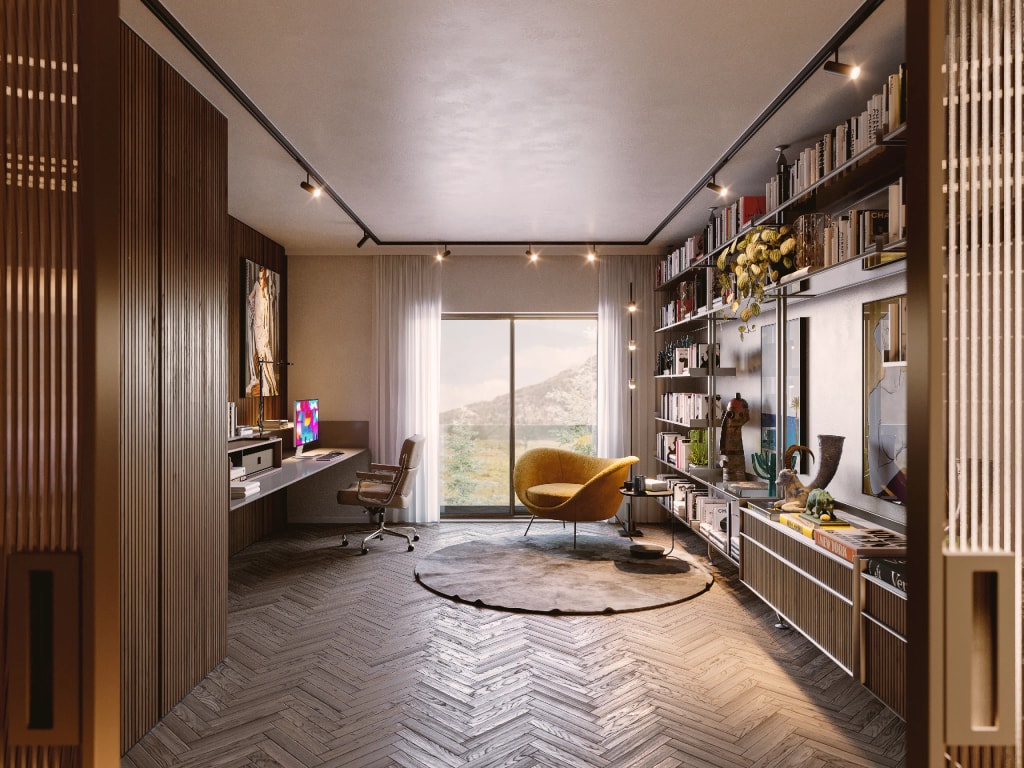
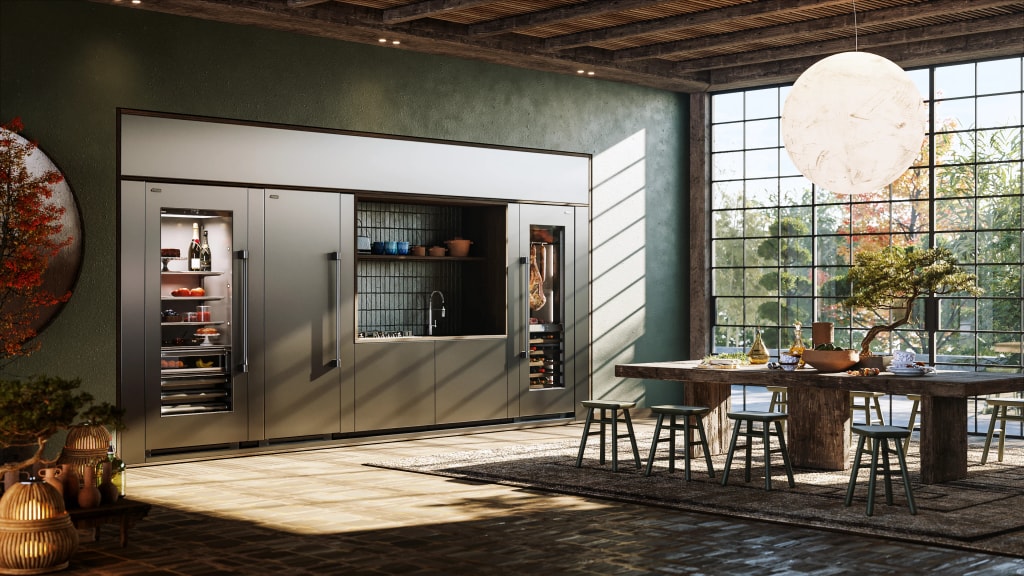
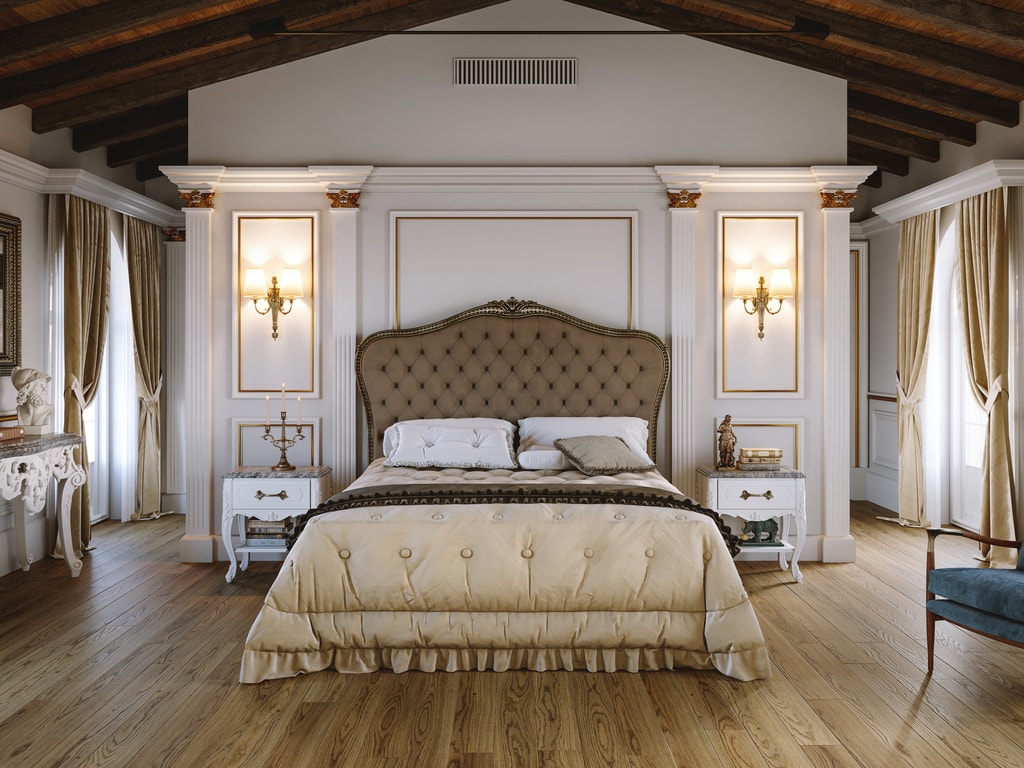
Il prodotto più richiesto. Un rendering di interni mostra l'appartamento arredato, illuminato, vissuto. Il cliente vede il soggiorno con il divano, la cucina con gli elettrodomestici, la camera da letto con la luce del mattino che filtra dalle persiane.
Quando serve: Immobili vuoti, da ristrutturare, nuove costruzioni su carta. Praticamente sempre.
Quanti ne servono: Per un appartamento standard, 3-4 viste (soggiorno, cucina, camera, bagno) coprono le esigenze di un annuncio completo. Per immobili di pregio, 5-6 viste con angolazioni diverse.
Rendering esterni
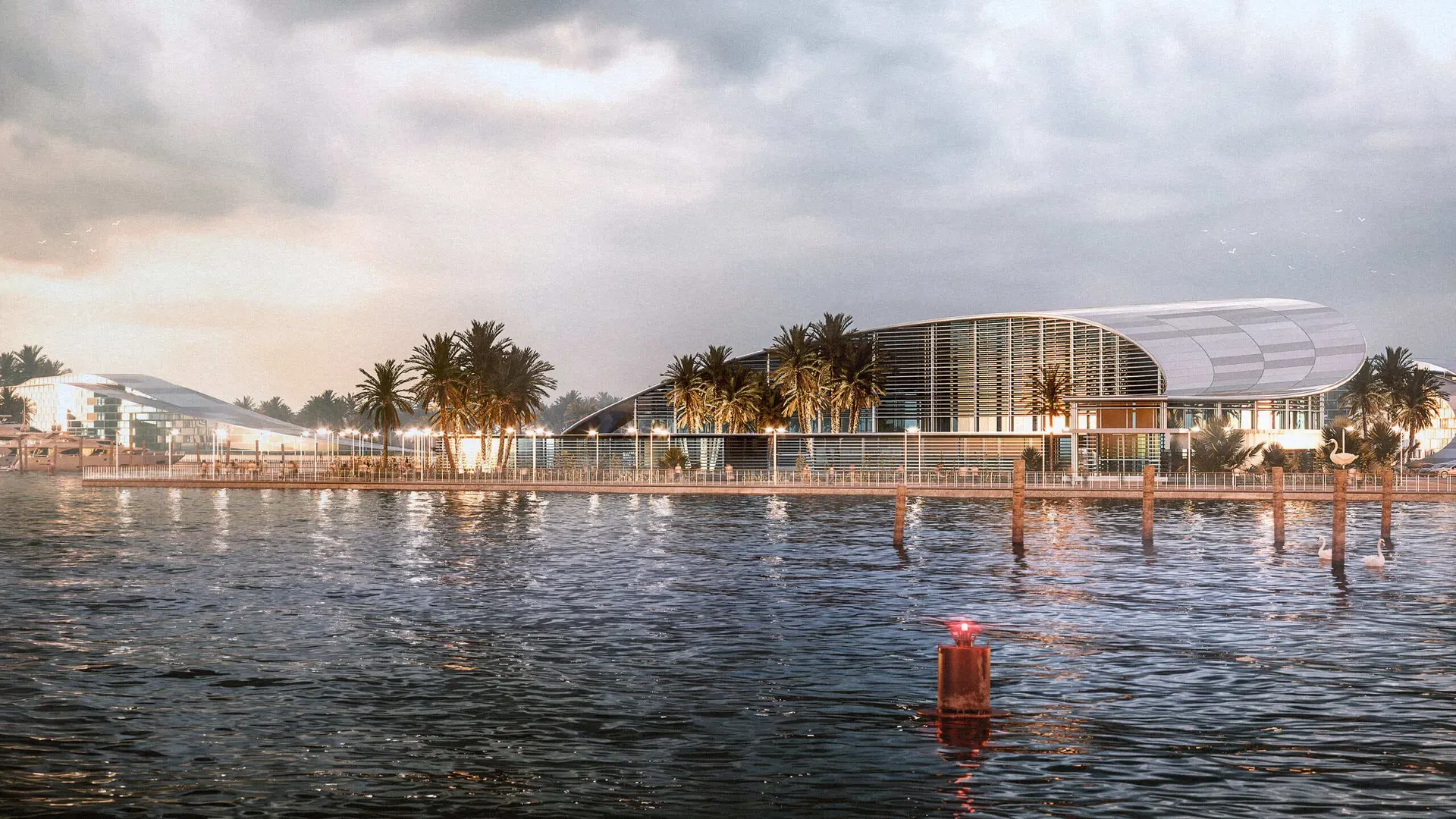
Il rendering esterno mostra l'edificio nel suo contesto: la facciata, il giardino, il rapporto con il quartiere. Per le nuove costruzioni, spesso è l'unico modo di mostrare come apparirà il progetto finito.
Quando serve: Nuove costruzioni, ville, complessi residenziali, immobili con spazi esterni significativi.
Il dettaglio che conta: Un buon render esterno include il contesto reale (strada, edifici vicini, vegetazione) e non solo l'edificio isolato su sfondo neutro. La credibilità passa dai dettagli.
Planimetrie arredate
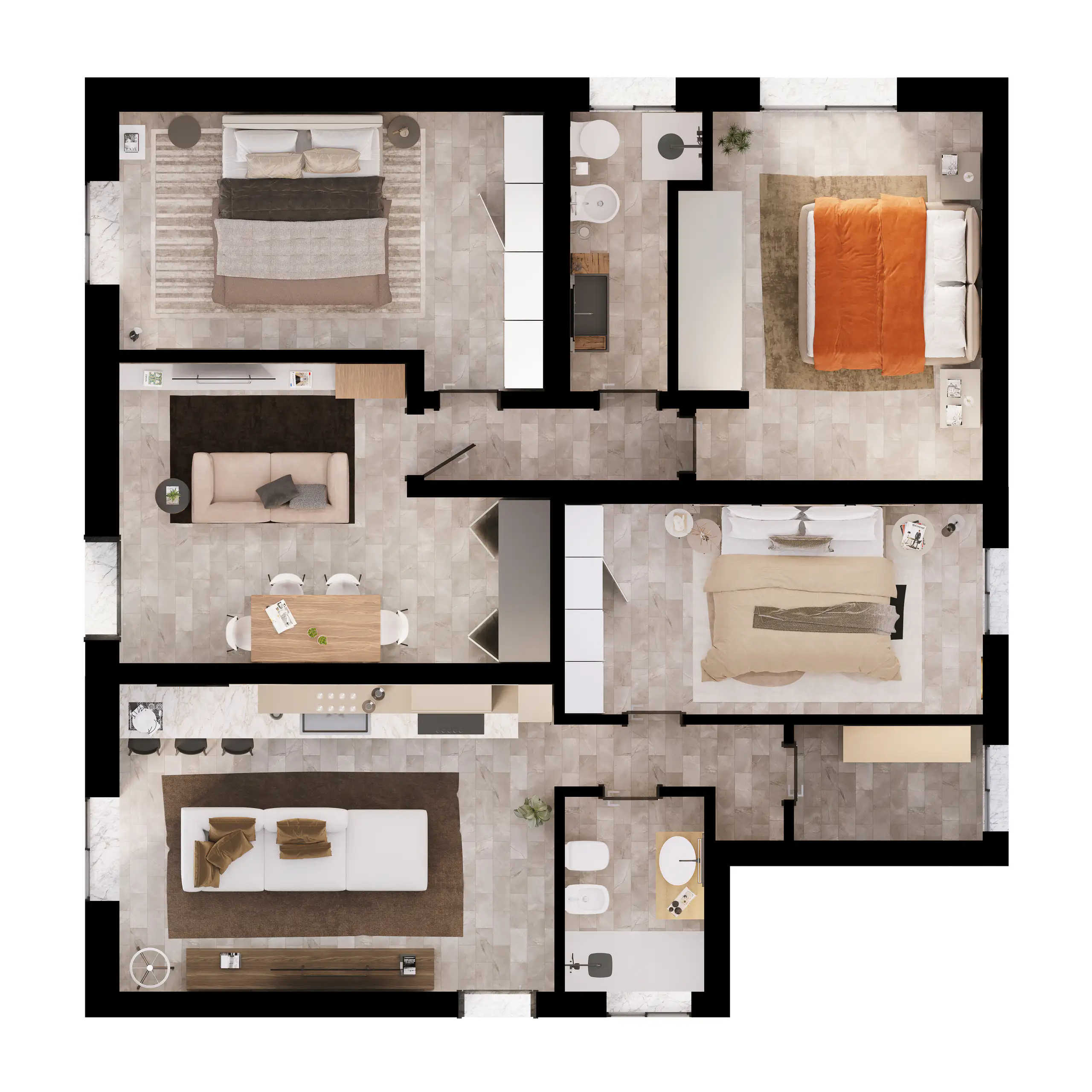
Le planimetrie arredate sono la versione evoluta della planimetria tecnica. Mostrano la distribuzione degli spazi con arredi in scala, colori, materiali. Il cliente capisce immediatamente quanto è grande il soggiorno e dove va il tavolo da sei.
Quando serve: Come complemento ai render per dare una visione d'insieme. Particolarmente utili per immobili con distribuzione interna non convenzionale.
Un dato operativo: Nella nostra esperienza, l'abbinamento planimetria arredata + render è la combinazione con il miglior rapporto costo/risultato per la maggior parte delle agenzie.
Virtual tour
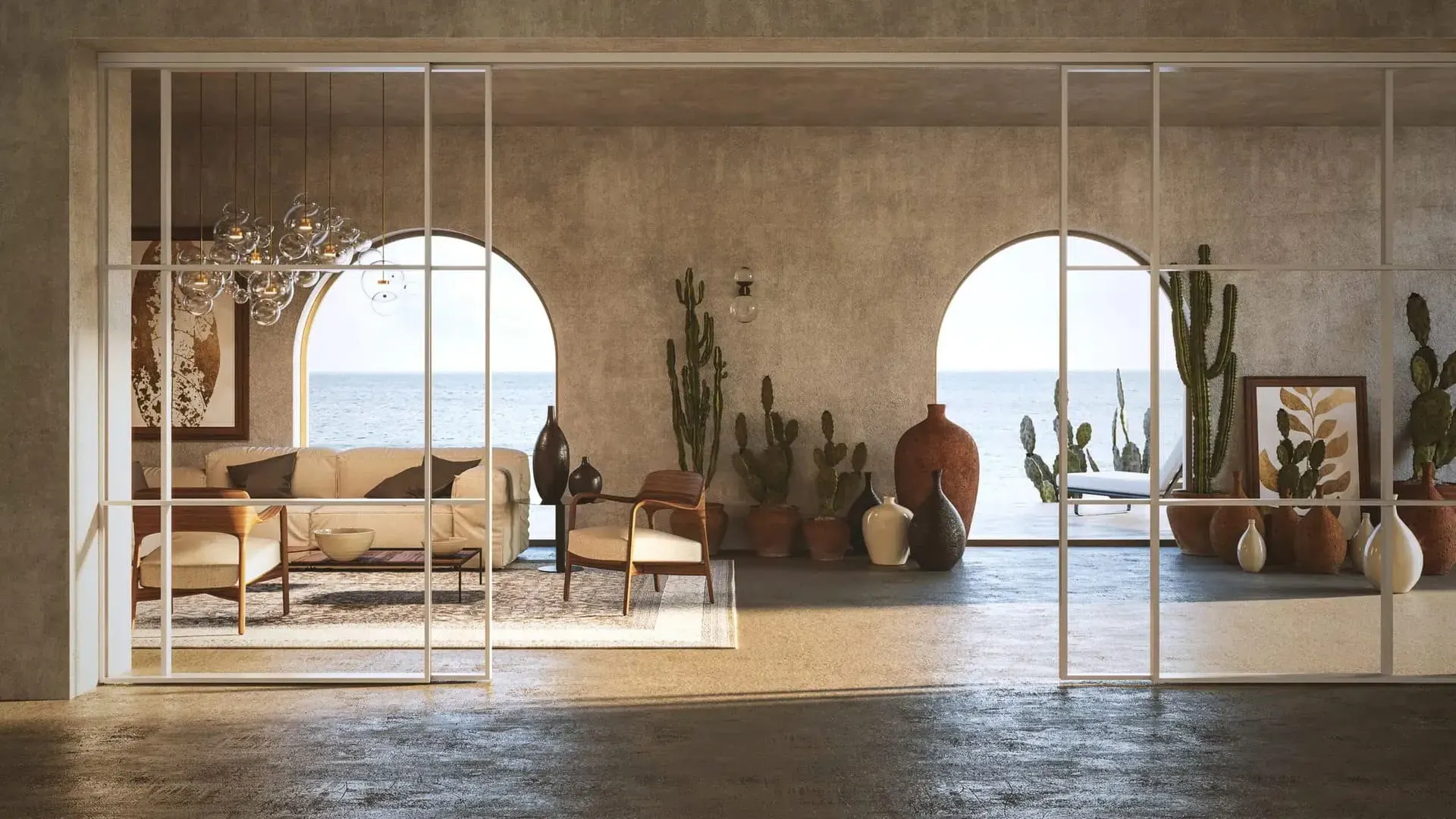
Il virtual tour permette al cliente di esplorare l'immobile in modo interattivo, muovendosi tra le stanze dal proprio computer o smartphone. È come una visita in loco, ma senza spostarsi.
Quando serve: Immobili di pregio, clienti internazionali o fuori zona, nuove costruzioni dove il cantiere non permette visite. Non necessario per ogni bilocale, ma decisivo per immobili sopra una certa soglia di valore.
Il vantaggio operativo per l'agenzia: Meno visite a vuoto. Il cliente che ha già "camminato" nell'immobile arriva all'appuntamento con le idee chiare, pronto a parlare di dettagli concreti.
Home staging virtuale
Lo staging virtuale è la versione digitale dell'home staging tradizionale: invece di affittare mobili veri e allestire fisicamente l'immobile, lo arrediamo in 3D partendo dalle foto dello stato attuale.
Quando serve: Immobili vuoti in buone condizioni dove non ha senso un rendering completo. L'investimento è inferiore rispetto a un render tradizionale e i tempi di produzione sono più rapidi.
Il limite: Funziona bene quando l'immobile è già in buone condizioni. Se serve mostrare una ristrutturazione, il rendering completo resta la scelta migliore.

ROI del rendering: quanto fa guadagnare un'agenzia
Parliamo di numeri, perché è quello che conta quando devi giustificare un investimento.
Il costo dell'invenduto
Prendiamo uno scenario tipo: un immobile da 350.000 EUR che resta sul mercato.
Ogni mese di invenduto genera costi diretti e indiretti:
- Spese condominiali e manutenzione: 200-500 EUR/mese
- Oneri finanziari (se c'è un mutuo cantiere o un finanziamento): variabili, ma spesso significativi
- Costo opportunità: il capitale immobilizzato non lavora altrove
- Pressione al ribasso: statisticamente, dopo 6 mesi sul mercato si finisce per ribassare del 5-10%
Un ribasso del 5% su 350.000 EUR sono 17.500 EUR persi. Del 10%, 35.000 EUR.
L'equazione del rendering
Un set completo di rendering per un appartamento (esterno + 3-4 interni + planimetria arredata) ha un costo pari a una frazione minima del valore dell'immobile.
Se quel set di rendering accorcia i tempi di vendita anche solo di 2-3 mesi ed evita un ribasso, il ritorno sull'investimento supera facilmente il 500-900%.
La domanda giusta non è "quanto costa il rendering", ma "quanto ti costa non farlo?"
Moltiplicato per il portafoglio
Il calcolo diventa ancora più interessante quando lo applichi all'intero portafoglio dell'agenzia. Se hai 15-20 immobili e il rendering ne accelera la vendita anche solo sulla metà, l'impatto sul fatturato annuale è concreto.
Le agenzie con cui collaboriamo regolarmente ci confermano che il rendering si è trasformato da "costo extra" a voce standard nel budget di commercializzazione, esattamente come le foto professionali lo erano diventate dieci anni fa.
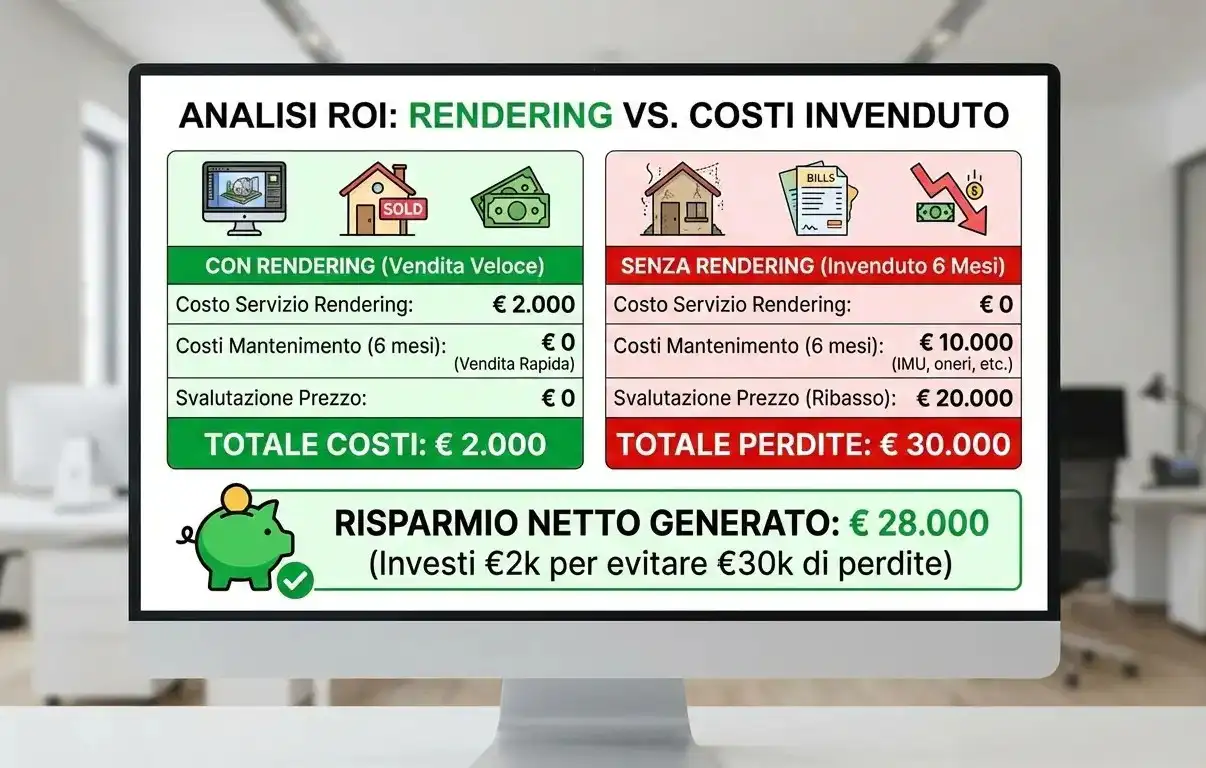
Vuoi calcolare il ritorno sull'investimento per un immobile specifico? Calcola il tuo preventivo e confrontalo con il costo di ogni mese di invenduto.
Come integrare il rendering nel processo di vendita
Il rendering funziona quando è inserito in un flusso di lavoro strutturato, non quando viene usato come "aggiunta dell'ultimo minuto". Ecco il processo che suggeriamo alle agenzie con cui collaboriamo.
Step 1: Valutazione dell'immobile
Non tutti gli immobili necessitano di rendering. Il criterio è semplice: se l'immobile ha un problema di comunicazione visiva (vuoto, da ristrutturare, su carta, difficile da fotografare), il rendering risolve quel problema. Se è un bilocale già arredato e in buone condizioni, probabilmente bastano foto professionali.
Step 2: Raccolta materiali
Una volta deciso di procedere, servono i materiali di partenza. Più avanti nell'articolo trovi la lista completa, ma in sintesi: planimetrie quotate, foto dello stato attuale (se esiste), riferimenti stilistici per l'arredamento.
Step 3: Briefing con lo studio
In Archivision facciamo sempre una call o uno scambio email per capire il target dell'immobile. Un bilocale per giovani coppie si arreda diversamente da un attico per un dirigente. Lo styling virtuale deve parlare al compratore giusto.
Step 4: Produzione e revisione
Tempi standard: 5-7 giorni lavorativi dal briefing alla consegna. Prima della consegna passi dalla bozza: è lì che si aggiustano i dettagli (colore divano, tipo di parquet, disposizione arredi), quante volte serve.
Step 5: Distribuzione multicanale
I render vengono consegnati in formati ottimizzati per ogni canale:
- Alta risoluzione per stampa (brochure, cartellonistica, volantini)
- Formato web per portali immobiliari (Immobiliare.it, Idealista, Casa.it)
- Formato social per Instagram, Facebook, campagne sponsorizzate
- Formato presentazione per meeting con acquirenti e investitori
Step 6: Utilizzo strategico in trattativa
Un consiglio che diamo sempre: non inviare i render via email al primo contatto. Usali come strumento di chiusura. Mostrali su tablet o grande schermo durante l'appuntamento. L'agente che guida la visione del render ha un impatto molto maggiore di un PDF aperto distrattamente sul telefono.
Integrare il rendering nella vendita
Dal mandato alla trattativa, in 6 step
- 1Valutazione dell'immobile
Capiamo se c'è un problema di comunicazione visiva da risolvere
- 2Raccolta materiali
Planimetrie quotate, foto dello stato attuale, riferimenti stilistici
- 3Briefing con lo studio
Definiamo target dell'immobile e stile dell'arredo virtuale
- 4Produzione e revisione5-7 giorni
Render con le modifiche fatte in fase di bozza
- 5Distribuzione multicanale
File ottimizzati per portali, stampa, social e presentazioni
- 6Utilizzo in trattativa
I render come strumento di chiusura durante l'appuntamento
I tre casi in cui il rendering non è opzionale
Non tutti gli immobili ne hanno bisogno. Un bilocale già arredato si vende con delle buone foto. Ma ci sono tre situazioni in cui non averlo significa lasciare soldi sul tavolo.
Quello che non esiste ancora. Sulle nuove costruzioni è ovvio, ma va fatto bene: non basta mostrare i muri, serve far vedere il quartiere, la vista, la luce a una certa ora. Un impianto che funziona è un render esterno come immagine di apertura, quattro interni per ogni tipologia di appartamento e una vista delle parti comuni.
Quello che va ristrutturato pesantemente. Lo stock degli anni Settanta è enorme e spesso invendibile com'è, perché l'acquirente medio non ha la fantasia per immaginarsi il potenziale. Qui il rendering funziona da macchina del tempo: mostrare un trilocale buio che diventa un open space luminoso permette di vendere il dopo, e giustifica agli occhi di chi compra anche il costo dei lavori.
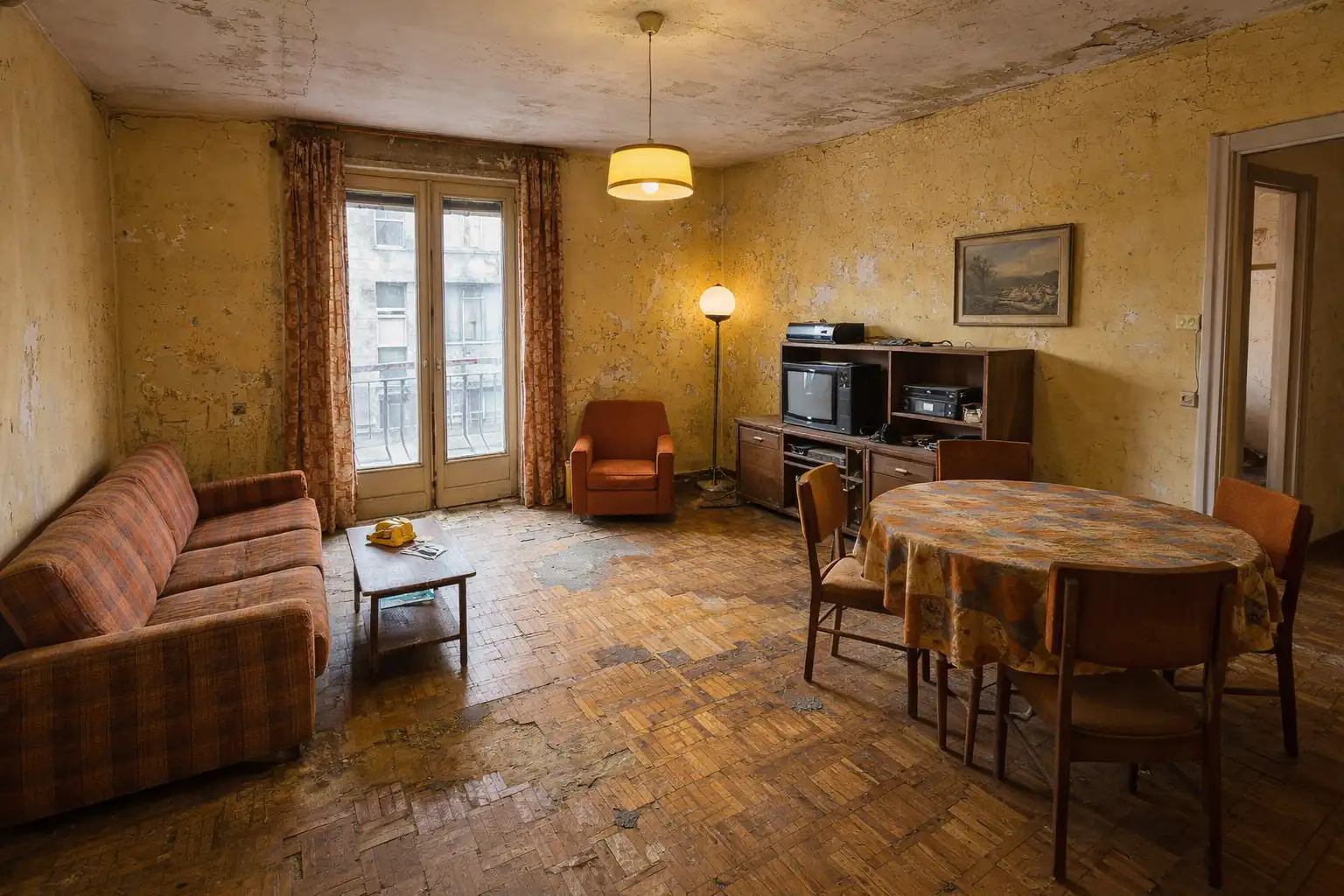
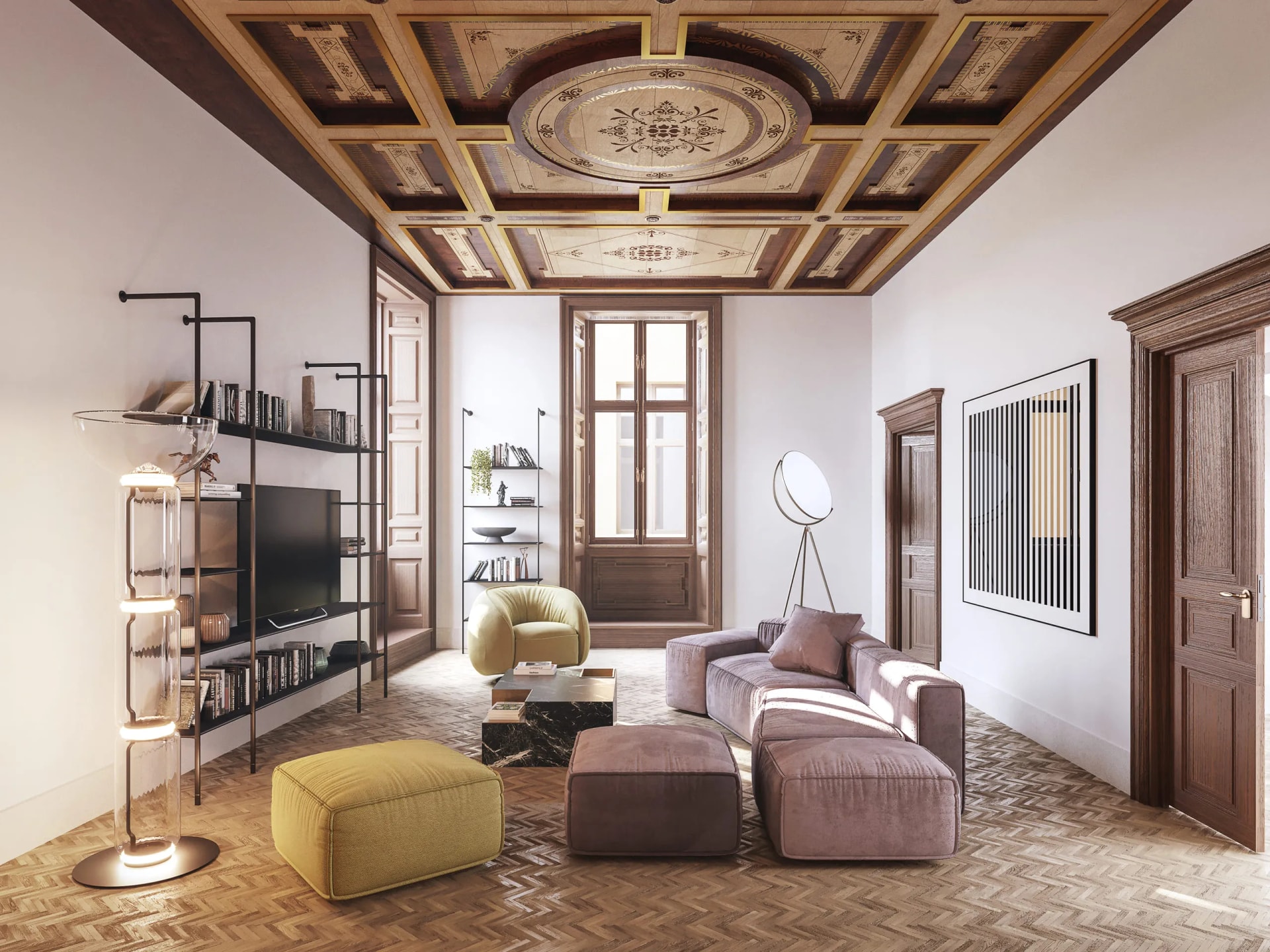
Sulle ristrutturazioni pesanti il rendering vende il potenziale, non lo stato attuale
L'alto di gamma. Sopra una certa soglia di prezzo chi compra vuole personalizzare, e il rendering diventa uno strumento di co-progettazione. Far vedere come cambia la stessa villa col rovere o col marmo è spesso la cosa che sblocca la decisione.
Tre errori che bruciano il budget
Avere buoni render non basta se li usi male. Questi tre li vediamo di continuo.
Mandarli via email come primo contatto. Il rendering è uno strumento di chiusura, non di apertura. Il primo contatto porta i dati tecnici; i render arrivano al secondo appuntamento, su uno schermo grande o su un tablet, con l'agente che guida la visione. Lasciare il cliente da solo davanti a un'immagine sul telefono spreca l'unico colpo che avevi.
Puntare a una perfezione irreale. Cieli troppo blu, strade deserte, materiali che non esistono. Chi compra oggi ha visto migliaia di immagini e riconosce il falso al primo sguardo. Noi lavoriamo per imperfezione controllata: la luce reale della stagione in cui si vende, il contesto urbano vero. La credibilità vende più della perfezione.
Arredare generico. Mettere mobili da catalogo standard dentro un attico di pregio crea una dissonanza che il cliente sente anche se non sa spiegarla. L'arredo nel render deve parlare a un target preciso: una famiglia, un investitore, una coppia senza figli. Lo styling virtuale va mirato quanto una campagna.
Quanto costa il rendering per un'agenzia
Il costo varia in base a tipologia, complessità e volume. Ecco come orientarti.
Cosa influenza il prezzo
I fattori principali sono quattro:
- Tipologia: un render interno statico costa meno di un virtual tour interattivo
- Complessità della scena: un open space minimalista richiede meno lavoro di un loft con soppalco, scala a chiocciola e doppia altezza
- Numero di viste: il primo render include il setup della scena; le viste aggiuntive costano progressivamente meno
- Tempistiche: una consegna urgente ha un sovrapprezzo rispetto ai tempi standard
Per una guida dettagliata ai prezzi, puoi leggere il nostro articolo dedicato ai costi dei rendering architettonici.
Il vantaggio del volume
Per le agenzie che lavorano con regolarità, il costo per singolo render scende significativamente. Quando il rapporto di lavoro è continuativo, lo studio conosce già le preferenze stilistiche dell'agenzia, i tempi si accorciano e l'efficienza aumenta per entrambi.
In Archivision proponiamo condizioni dedicate per le agenzie che ci affidano più di un progetto al mese. Non si tratta di "sconti volume" generici: un flusso di lavoro più snello che riduce i costi reali di produzione e si traduce in prezzi più accessibili.
Come leggere un preventivo
Quando ricevi un preventivo per rendering immobiliare, verifica che includa:
- Numero esatto di viste (non "rendering appartamento" generico)
- Livello di dettaglio (arredo base o arredo di design specifico)
- Regole delle revisioni (cosa è compreso e cosa si paga)
- Formati di consegna (web, stampa, social)
- Tempi di consegna (giorni lavorativi, non generici "il prima possibile")
Un preventivo chiaro su questi punti ti evita sorprese e ti permette di confrontare offerte in modo corretto.
Come preparare i materiali per lo studio
Più i materiali di partenza sono completi, più il risultato sarà preciso e i tempi di produzione rapidi. Ecco la checklist che inviamo alle agenzie prima di ogni progetto.
Materiali indispensabili
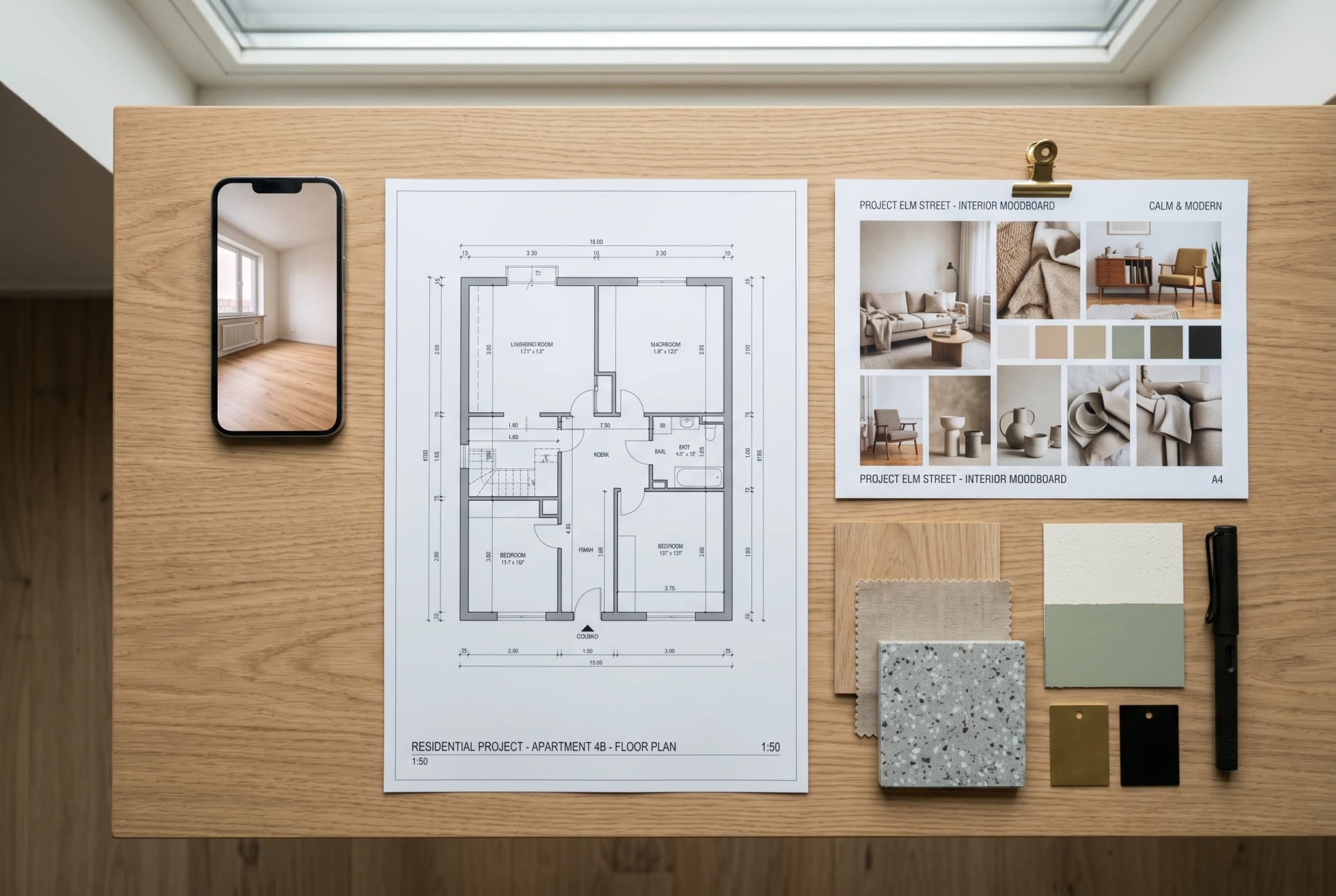
- Planimetrie quotate in formato PDF o DWG. Le quote servono per ricostruire le proporzioni esatte degli ambienti. Senza quote, lavoriamo a stima e il rischio di imprecisioni aumenta
- Foto dello stato attuale (se l'immobile esiste): non servono foto professionali, bastano scatti con il telefono che mostrino tutti gli ambienti, le finestre, i dettagli architettonici
Materiali utili (non obbligatori)
- Riferimenti stilistici: immagini di Pinterest, pagine di riviste, link a progetti che ti piacciono. Ci aiutano a capire il gusto del target in pochi minuti
- Indicazioni sul target: chi comprerà questo immobile? Famiglia con bambini, coppia giovane, investitore? Lo stile dell'arredamento deve parlare al compratore giusto
- Modello 3D (se disponibile): file in formato SketchUp, Revit, ArchiCAD o 3ds Max. Avere già il modello riduce i tempi e i costi
- Capitolato materiali: se il developer ha già scelto pavimenti, rivestimenti, infissi, li riprodurremo fedelmente nel render
Errori da evitare
- Planimetrie fotografate storte dal telefono: il PDF del geometra è sempre meglio
- "Fate voi per l'arredamento" senza nessun riferimento: più indicazioni ci dai, meno revisioni servono
- Inviare materiali in momenti diversi: meglio un unico invio completo che cinque email sparse
Pacchetti e soluzioni per agenzie
Le esigenze di un'agenzia immobiliare sono diverse da quelle di un architetto che commissiona un rendering per un concorso. Per questo abbiamo strutturato soluzioni pensate specificamente per chi lavora con volumi regolari nel settore immobiliare.
Cosa include una collaborazione continuativa
Quando lavoriamo con un'agenzia su base regolare, il rapporto si struttura così:
- Project manager dedicato: un unico referente che conosce le tue preferenze e il tuo modo di lavorare
- Tempi garantiti: priorità nella coda di produzione, consegne rispettate
- Stile coerente: ogni render mantiene la stessa qualità e lo stesso "look", creando un'identità visiva riconoscibile per l'agenzia
- Condizioni economiche dedicate: prezzi calcolati sul volume mensile, non sul singolo progetto
Soluzioni scalabili
Non tutte le agenzie hanno le stesse esigenze. Lavoriamo con agenzie che ci commissionano 2-3 render al mese e con developer che hanno bisogno di 30 viste per un intero complesso residenziale. La struttura si adatta:
- Volume basso (1-5 render/mese): flusso standard con priorità e condizioni riservate
- Volume medio (5-15 render/mese): project manager dedicato, revisioni accelerate, formati multipli inclusi
- Volume alto (15+ render/mese): partnership strutturata con briefing periodici, linee guida stilistiche condivise, reportistica
Per i developer immobiliari
I vantaggi del rendering immobiliare si amplificano ulteriormente per i developer con cantieri in corso. Un progetto residenziale con 4 tipologie di appartamento richiede un set di render per ogni tipologia, più gli esterni e le parti comuni. Gestire tutto con un unico studio garantisce coerenza visiva e ottimizzazione dei costi.
Vuoi strutturare una collaborazione per la tua agenzia? Contattaci: in una call analizziamo il tuo volume di lavoro e ti proponiamo una soluzione strutturata sul tuo flusso.
Domande frequenti
Il rendering funziona anche per immobili economici o solo per quelli di pregio?
Il rendering funziona su qualsiasi fascia di prezzo, ma il ritorno sull'investimento è più evidente quando il valore dell'immobile giustifica il costo. Per un monolocale da 80.000 EUR già in buone condizioni, probabilmente bastano foto professionali. Per un trilocale da 250.000 EUR da ristrutturare che resta fermo sul mercato, il rendering si ripaga in fretta. La regola pratica: se l'immobile ha un problema di comunicazione visiva, il rendering lo risolve.
Quanto tempo serve per avere i render pronti?
I tempi standard nel nostro studio sono di 5-7 giorni lavorativi dal briefing completo alla consegna. Per le agenzie con collaborazione continuativa, spesso riusciamo a ridurre a 3-5 giorni. Consegne urgenti (24-48 ore) sono possibili con un sovrapprezzo. Il fattore che incide di più sui tempi è la completezza dei materiali di partenza: planimetrie chiare e riferimenti stilistici definiti accorciano il processo.
Posso usare i render sui portali immobiliari?
Sì, consegniamo sempre i render in formati ottimizzati per i principali portali (Immobiliare.it, Idealista, Casa.it). L'unica accortezza: alcuni portali richiedono di indicare che l'immagine è un rendering e non una foto. È una pratica corretta che consigliamo sempre, perché la trasparenza con l'acquirente costruisce fiducia.
Cosa succede se il cliente vuole modifiche dopo aver visto i render?
Le modifiche sono parte del processo e si fanno in fase di bozza: cambio colori, spostamento arredi, modifica materiali, quante ne servono. Una volta confermato il definitivo, una vista che cambia si rifà come una vista nuova. Per modifiche strutturali importanti (cambiare completamente la distribuzione interna) si valuta caso per caso. Il briefing iniziale serve proprio a ridurre le modifiche: più è preciso, meglio lavoriamo.
Come si integra il rendering con il resto del marketing immobiliare?
Il rendering non sostituisce foto professionali, video o visite in loco. Li completa. La combinazione più efficace che vediamo nelle agenzie è: render per l'annuncio online e i materiali promozionali, foto professionali dell'immobile nello stato attuale (per trasparenza), virtual tour per clienti a distanza, video breve per i social. Ogni strumento ha il suo ruolo.
In sintesi
- Il rendering per agenzie immobiliari riduce i tempi di vendita e protegge i margini di trattativa, con un ROI che supera il 500% nella maggior parte dei casi
- Le tipologie principali sono cinque: render interni, render esterni, planimetrie arredate, virtual tour e home staging virtuale. Ognuna ha il suo ambito di applicazione
- L'integrazione nel processo di vendita richiede un flusso strutturato: dalla valutazione dell'immobile alla distribuzione multicanale, fino all'utilizzo strategico in trattativa
- Per le agenzie con volume regolare, la collaborazione continuativa con uno studio riduce costi e tempi, mantenendo coerenza visiva
Hai immobili nel portafoglio che non si muovono? Oppure un cantiere in partenza che deve iniziare a vendere? Calcola il tuo preventivo in pochi minuti, oppure mandaci direttamente planimetrie e foto: ti rispondiamo con una proposta concreta entro 24 ore lavorative.