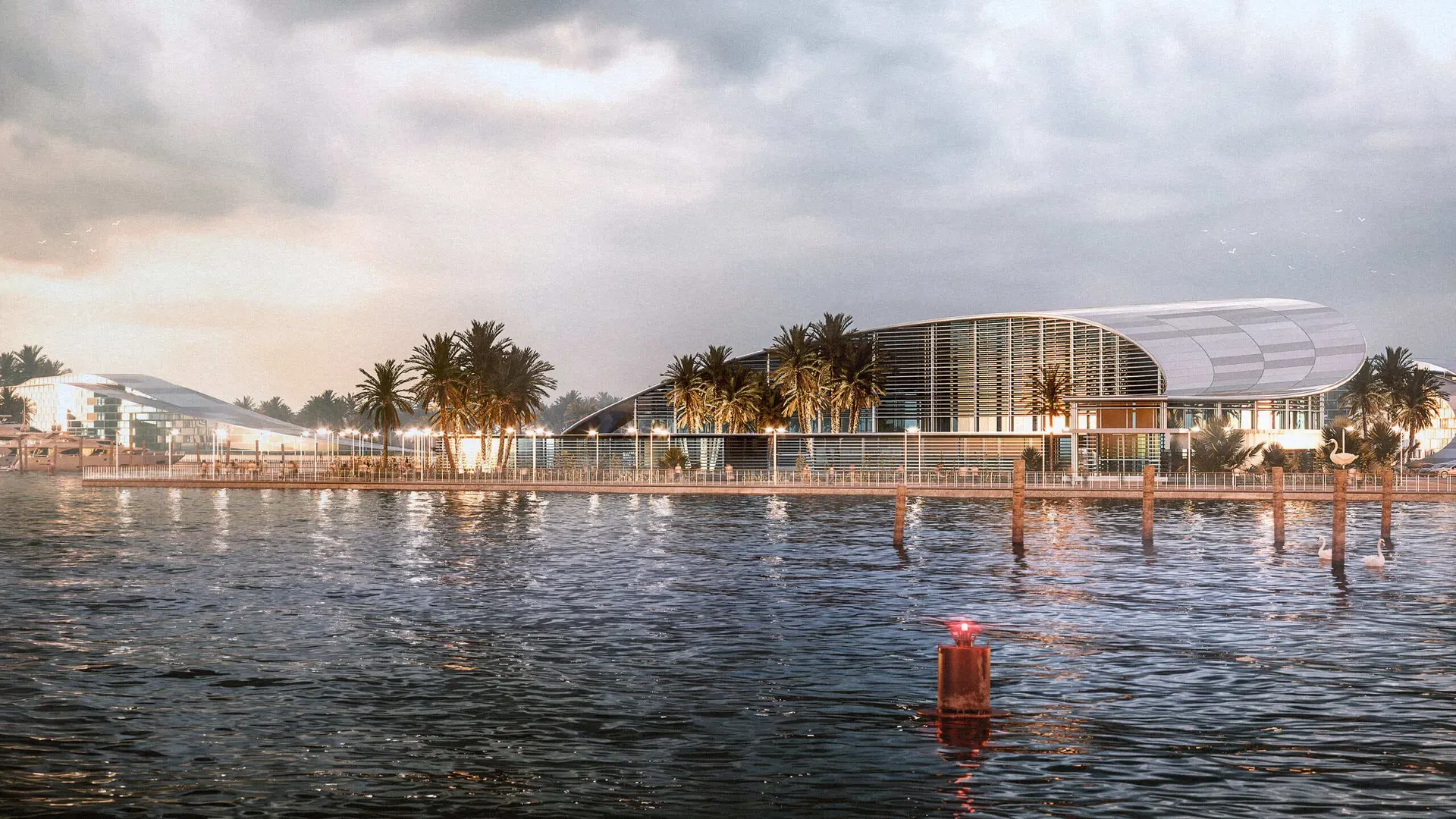
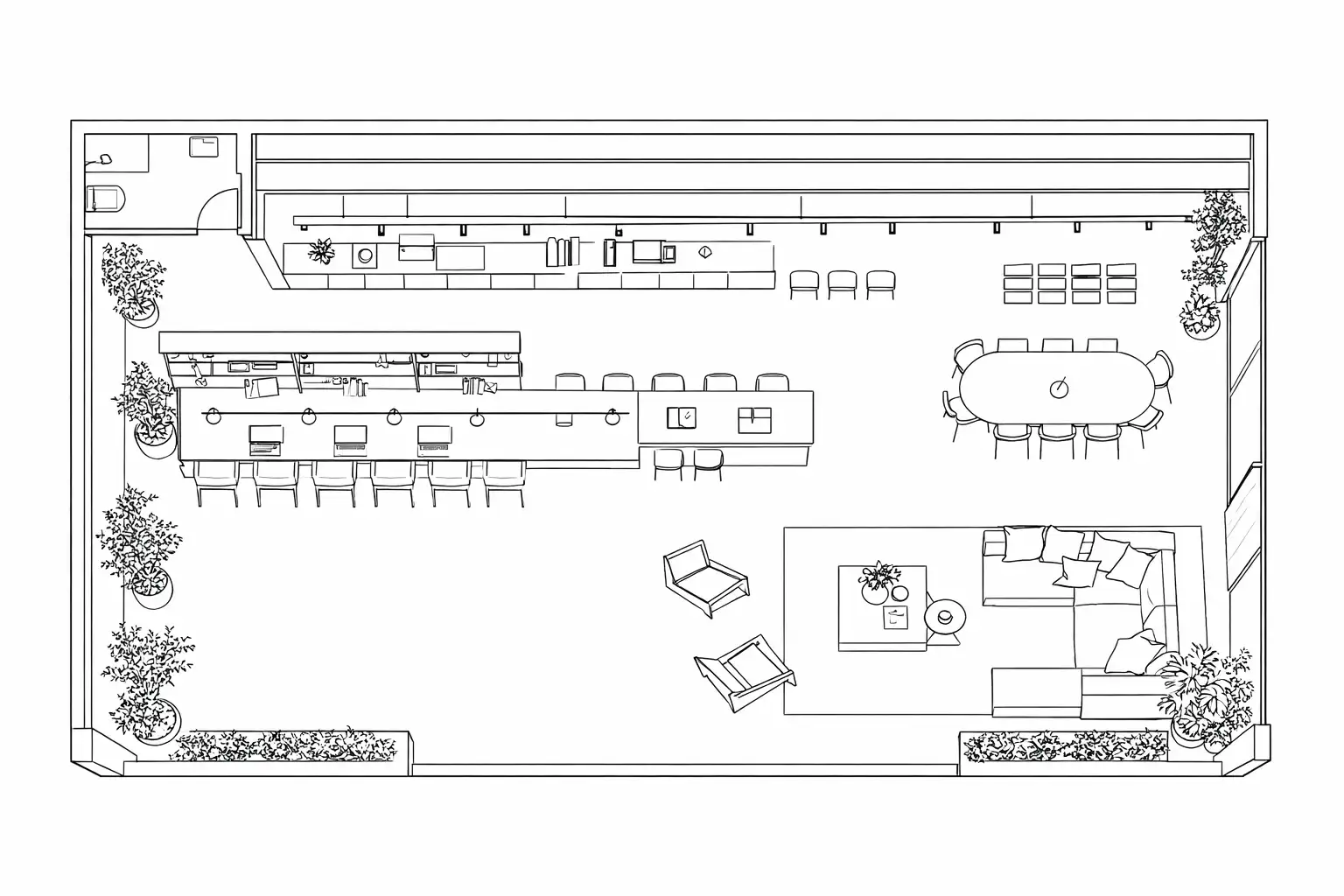
The agent often calls us in a tone we know well: "I have a project breaking ground in 18 months, but the developer wants to sell now. Clients look at the floor plan and see only black lines. They don't grasp the volumes, they don't sign."
The technical answer is simple: photorealistic renders. The strategic answer is more involved: how to use them to speed up the negotiation. The Italian property market is still marked by strong residential demand and a supply that struggles to keep up. Translated for sellers: buyers have options and grow selective about how well a listing is presented. In this scenario, showing the "after" of a building site or a renovation matters more than it did five years ago.
The Problem: You Can't Sell What the Client Can't See
Working day in, day out with real estate agencies and developers, we notice that the block to a sale is almost always psychological.
A technical floor plan is for the surveyor, not for the young couple about to invest €300,000 (often a lifetime of savings) in a two-room apartment on paper. To sign, the client has to clear three cognitive barriers that paper doesn't remove:
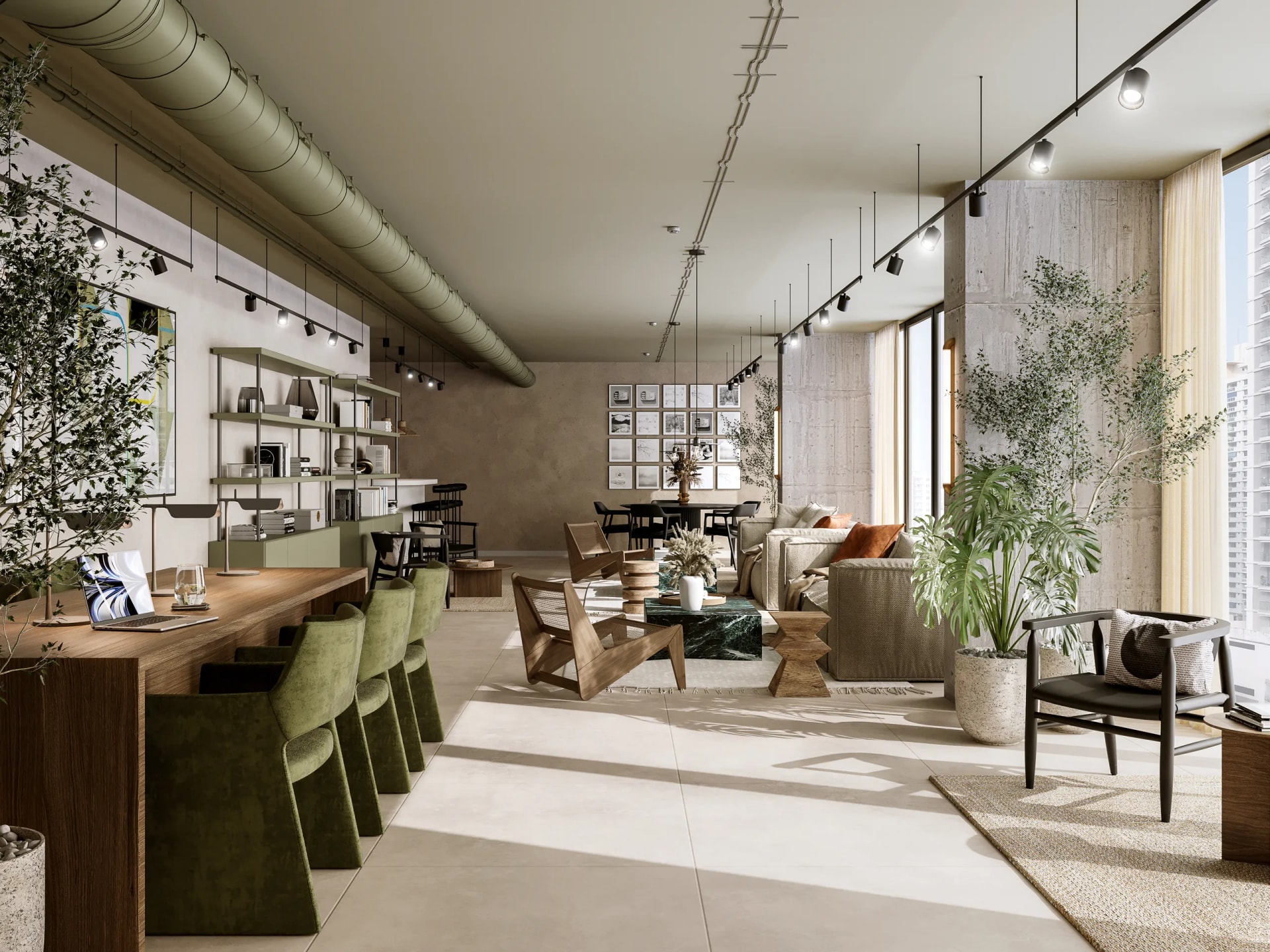
Perception of space: "70 m²" is an abstract number. Seeing a three-seat sofa that fits comfortably is concrete information.
The emotion of light: A south-west orientation is a technical fact. Seeing the sunset flood the living room in the render is a selling emotion.
Projecting the self: The client doesn't buy walls, they buy a lifestyle. The render lets you say: "This is how you'll live here."
The Typical Scenario
We see building sites stalled for months unlock after quality renders are published. The house hasn't changed, nor has the price: perception has changed. When the client can picture "life" inside the property (the furniture, the light, the materials), the fear of buying on paper fades and gives way to desire.
What Changes in the Sales Process
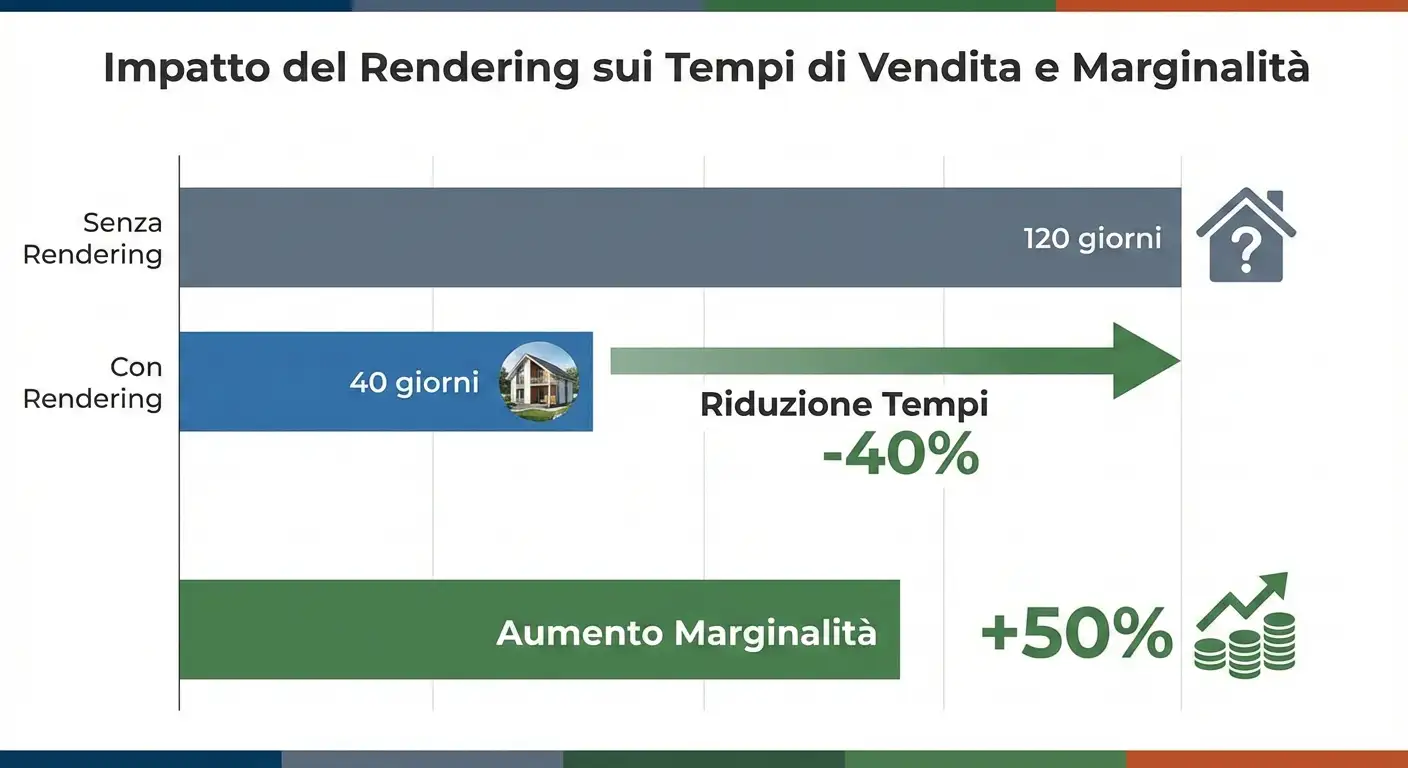
We're not just talking about aesthetics, but about how fast capital turns over. Industry observation says that well-made 3D visualizations act on three concrete levers in the sales process:
- Less time on the listing portal, because the listing reads faster
- A stronger price position in negotiation, because the potential of the space is already visible, not something to argue in words
- Fewer wasted viewings, because whoever visits has already seen online what they'll see in person
In our studio we observe the same pattern across the projects we follow: a complete visual set (exteriors + furnished interiors + furnished floor plan) speeds up the close compared with technical documentation alone. We don't promise sales figures: they depend on price, area, market timing, and the agent. What rendering speeds up is the first click on the listing. From there, the negotiation is yours.
The 3 Scenarios Where Rendering Is a Must
Not every property needs rendering. A buy-to-let two-room flat that's already furnished sells with photos. But there are three scenarios where not having them means losing money.
1. The "Not Yet Built" (New Construction)
It's the obvious one, but it has to be done well. Showing the walls isn't enough. You have to sell the neighborhood, the view, the atmosphere.
Winning strategy: 1 "hero shot" exterior render (sunset/sunrise light) + 4 interior renders for each apartment type + 1 view of the common areas.
2. The "Ugly Duckling" (Heavy Renovations)
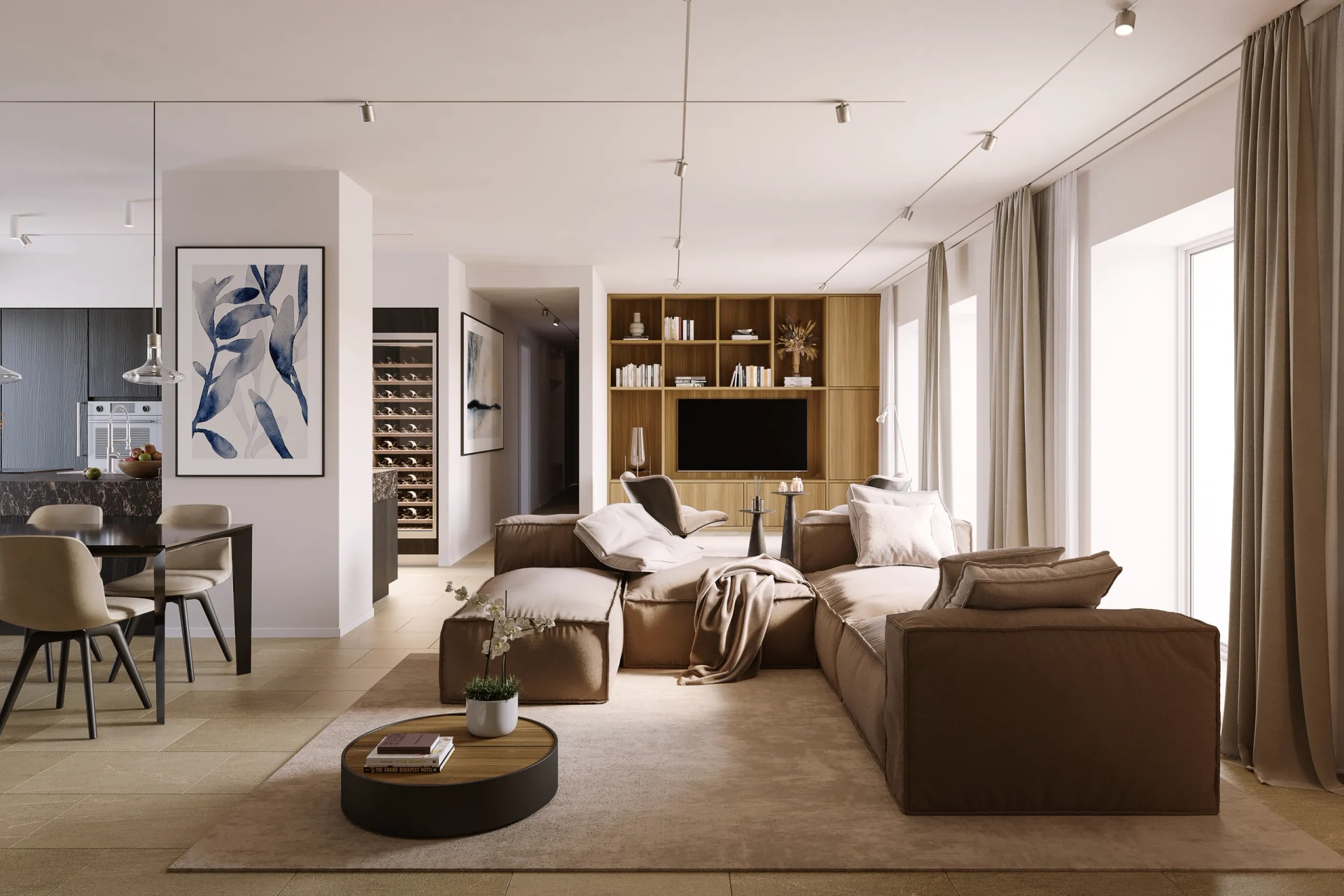
The 2025 market is short on "new" stock. The 1970s stock is huge but often unsellable as-is, because the average buyer doesn't have the imagination to picture the potential.
Here, rendering works like a time machine.
The impact: Showing an old, dark three-room flat turned into a bright open-plan space lets you sell the "after" at today's price, and justifies the renovation costs in the buyer's eyes too.
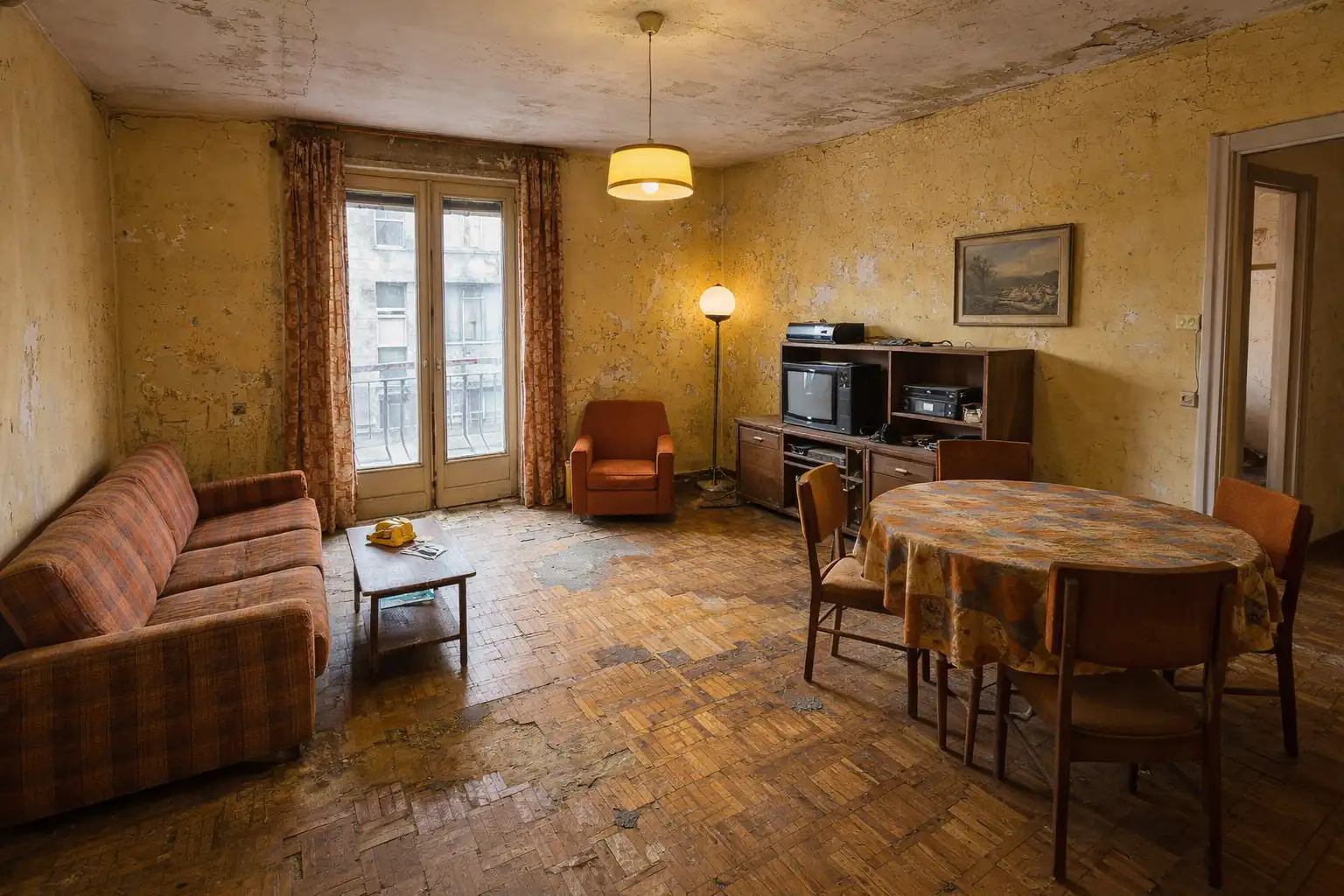

Rendering lets you sell the potential, not just the current state
3. The "Luxury Custom" (High End)
Above €800,000, the client wants to personalize. Here rendering becomes a co-design tool.
Showing in real time how the villa changes with oak or with marble is often what unlocks the decision.
3 Mistakes That Burn the Budget (and How to Avoid Them)
Having good renders isn't enough if you use them badly. Here are the most common mistakes we see agencies make:
The "Giant PDF" Mistake
Never send renders by email as your first contact. The render is a closing weapon.
The right strategy: First contact (technical data) → Second appointment (presenting the renders on a big screen or tablet). The agent has to guide the viewing, not leave the client alone in front of an image on their phone.
The "Unreal Perfection" Mistake
Skies too blue, empty streets, impossible materials. The 2025 client is savvy, and if they smell "fake," they run.
Our philosophy: Controlled imperfection. We use the real light of the season when the property is being sold, and we add the actual urban context. Credibility sells more than perfection.
The "Generic" Mistake
Furnishing a render with standard IKEA furniture to sell a luxury penthouse creates cognitive dissonance.
The furniture in the render has to speak to the specific target: family? Investor? Senior couple? Virtual styling has to be as targeted as an advertising campaign.
Cost-Benefit Analysis: An Illustrative Scenario
Let's get to the point. How much does it cost? And is it worth it?
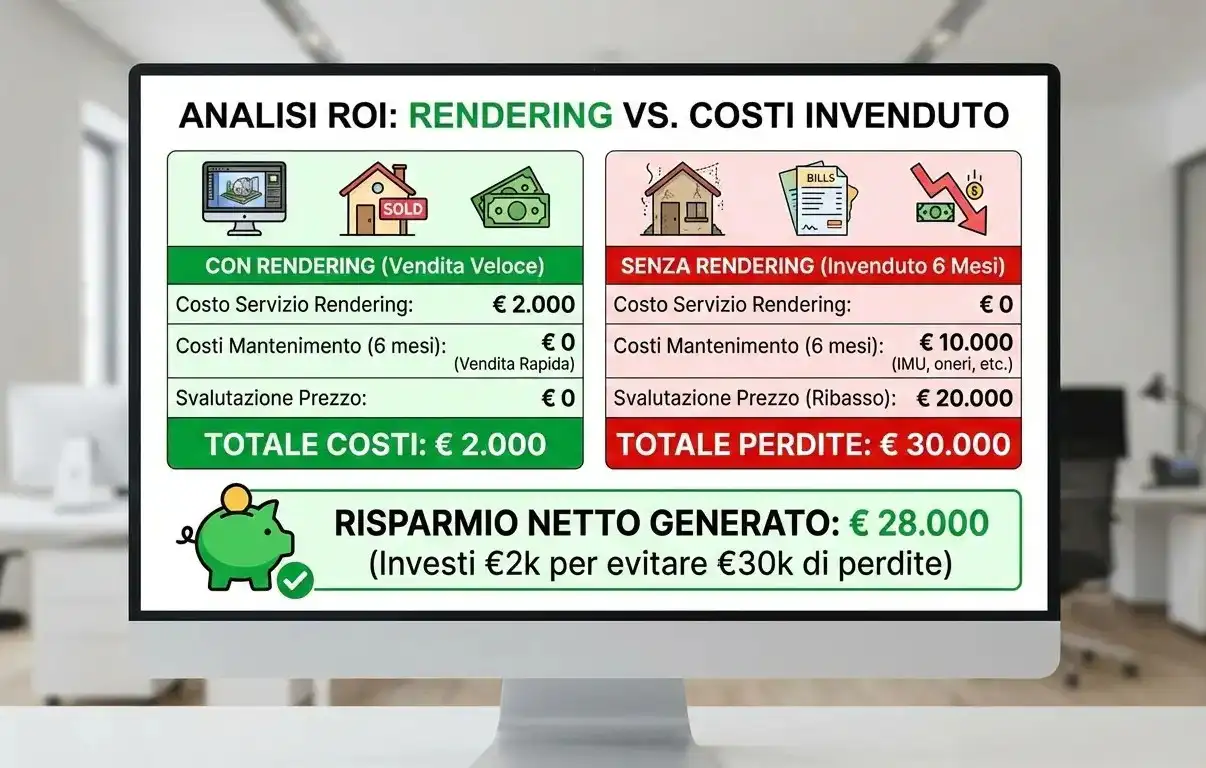
A standard professional package (exterior + 3-4 interiors) ranges between €1,500 and €3,000.
Sounds like an expense? Let's build an illustrative scenario around the "cost of the unsold" to make it concrete. This isn't verified market data: it's a numerical example that helps you read the calculation against your specific case.
Illustrative scenario: A €400,000 property
Every month it stays unsold, you carry the cost of:
- Tied-up capital
- Service charges and maintenance
- Finance costs (if there's a construction loan)
In a typical scenario where the property sits unsold for 6 months, the hidden cost can easily exceed €10,000. On top of that comes the risk of a price cut if the negotiation drags on (a 5-10% cut on €400,000 is worth €20,000-40,000).
How to read the calculation: it isn't "how much does the rendering cost," but "what weight does the rendering carry against the cost of passing time." Spending €2,000 to give the listing a professional visual set makes sense when compared with the monthly cost of the unsold on your specific property.
In Short
- 3D rendering speeds up the first click on the listing and reduces wasted viewings; it doesn't guarantee a sale outcome, which depends on price, area, agent, and market
- It's especially useful in three scenarios: new construction, heavy renovations, customizable luxury properties
- The most common mistakes (PDF by email, unreal perfection, generic furniture) waste the investment
- The right way to read the cost: compare it with the cost of passing time on the individual property
Have a stalled project or a building site about to start? Write to us with floor plans and site photos. We'll reply within 24 business hours with an analysis of exactly which views your specific property needs.
Transparency note:
The market figures and cost scenarios reported in this article are industry estimates based on our experience and do not constitute verified quantitative claims. For your property's specific situation, always refer to an up-to-date local market analysis.