How to Choose a Rendering Studio
You're looking for a rendering studio for your next project. You've found ten websites, looked at hundreds of images, and now they all look the same to you. Without clear criteria to evaluate them, the risk is choosing badly and finding out too late, when the rendering is in hand and it isn't what you needed.
This guide gives you the tools to evaluate a rendering service objectively, compare quotes with method and recognize warning signs before you sign. It works with any render studio, ours included.
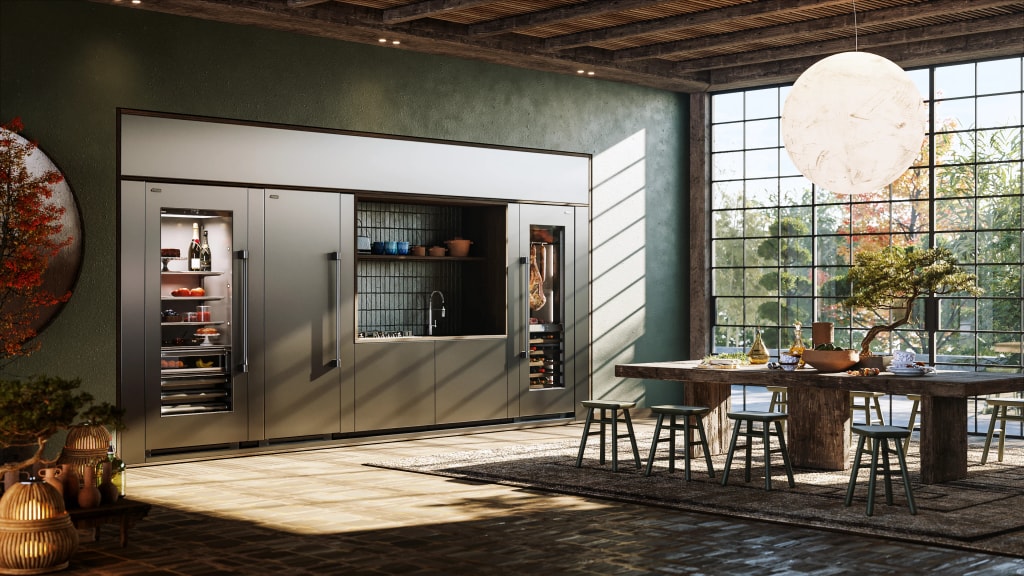

What you risk if you choose the wrong studio
A rendering is a working tool: it serves to sell properties, win competitions, present projects to investors, tell the client the story of the project. If the final result isn't up to the task, you don't just lose the money for the rendering, but the opportunities that rendering was meant to generate.
In our experience with over 500 projects, we've seen what happens when a studio isn't right for the project: delays, endless revisions, images that don't represent the project, materials unusable for marketing. And the professional ends up starting again from scratch with another supplier, paying twice.
Choosing a render studio is a business decision. Treat it as such.
7 criteria to evaluate a rendering studio
Studios aren't interchangeable and not all of them are right for your project. Here are the seven criteria to evaluate them.
1. Portfolio and consistent quality
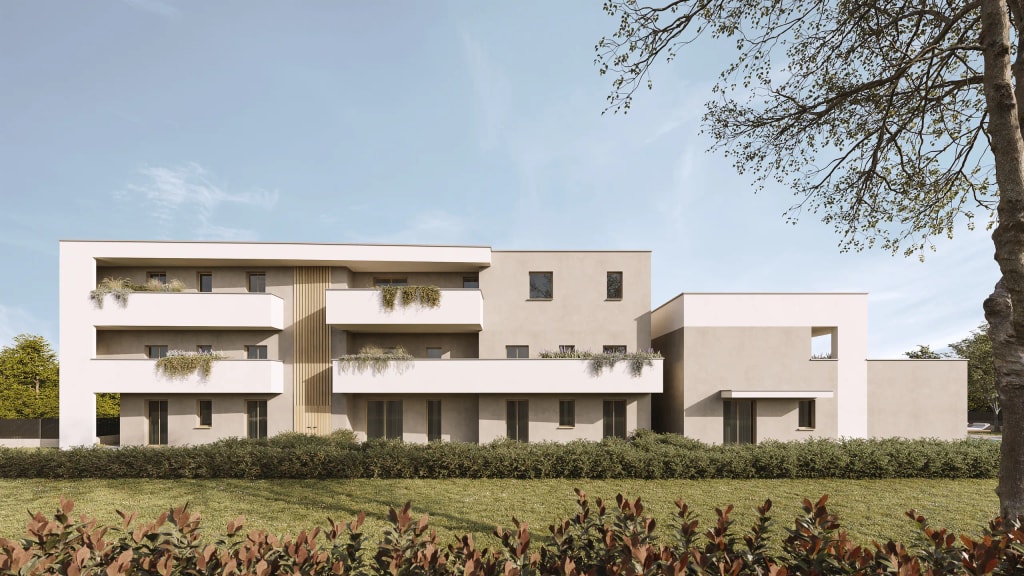
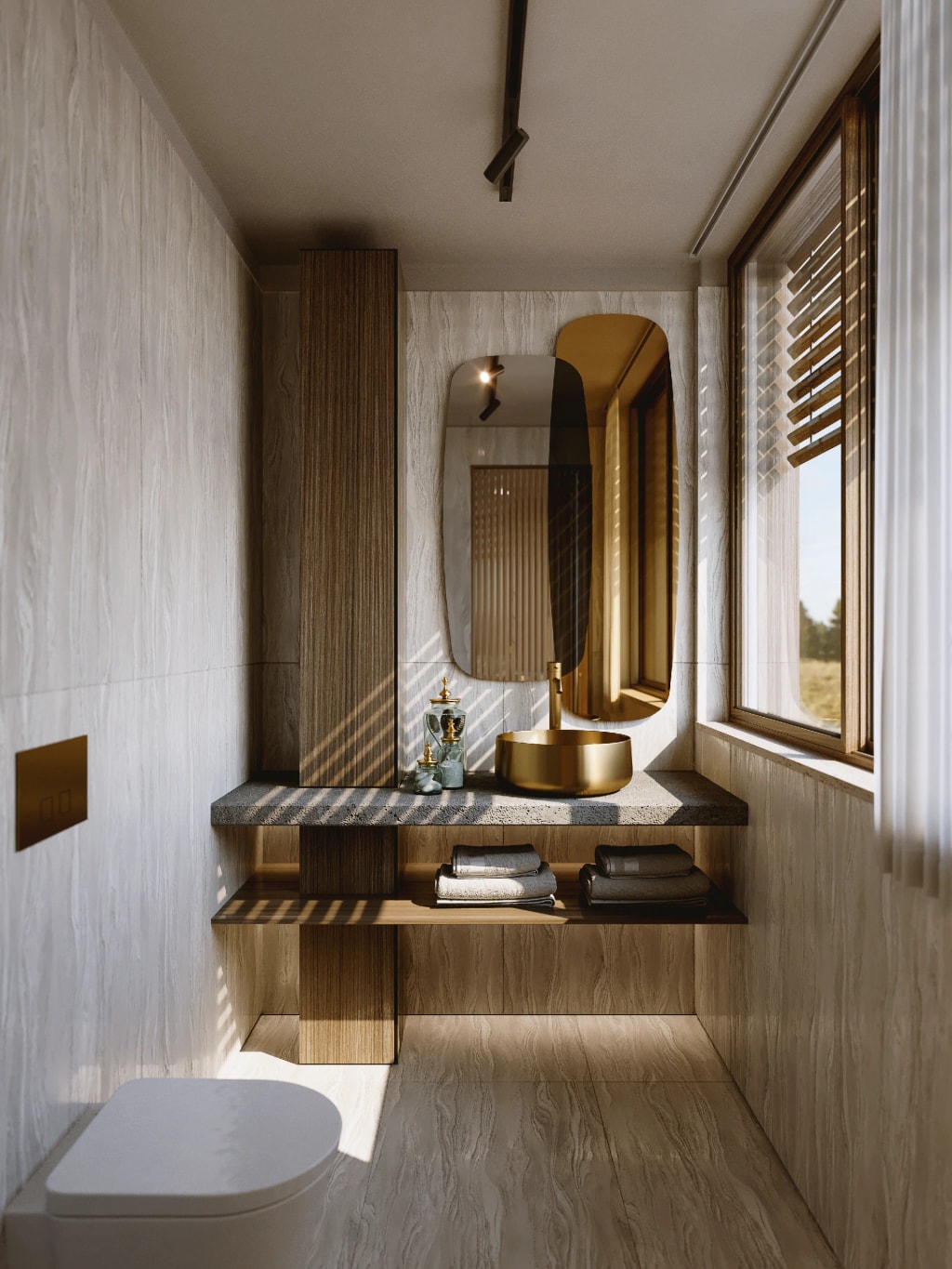
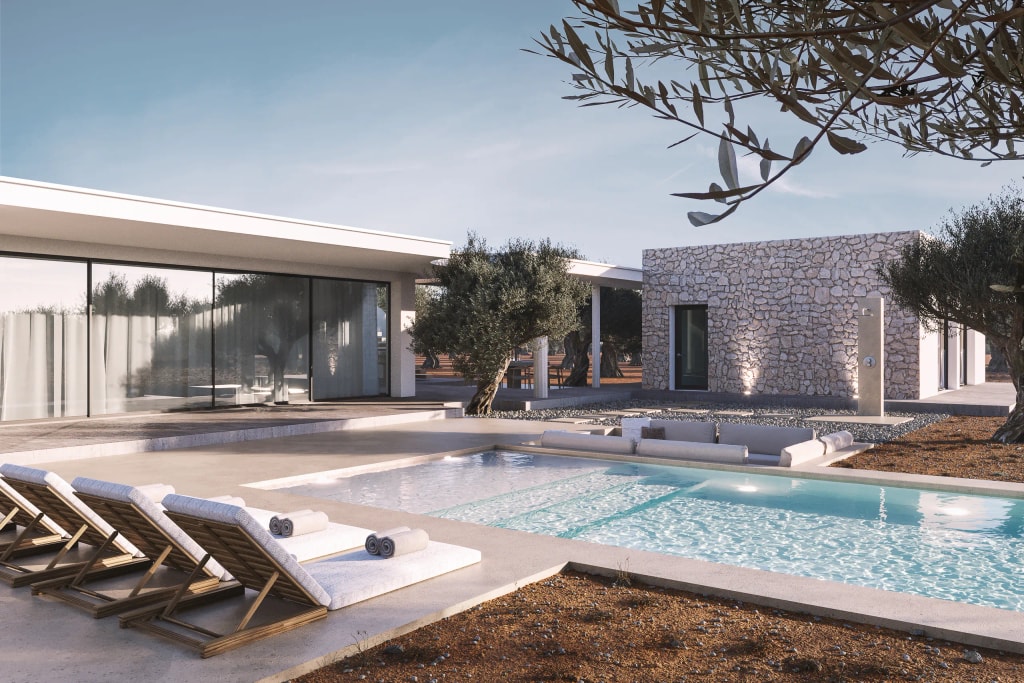
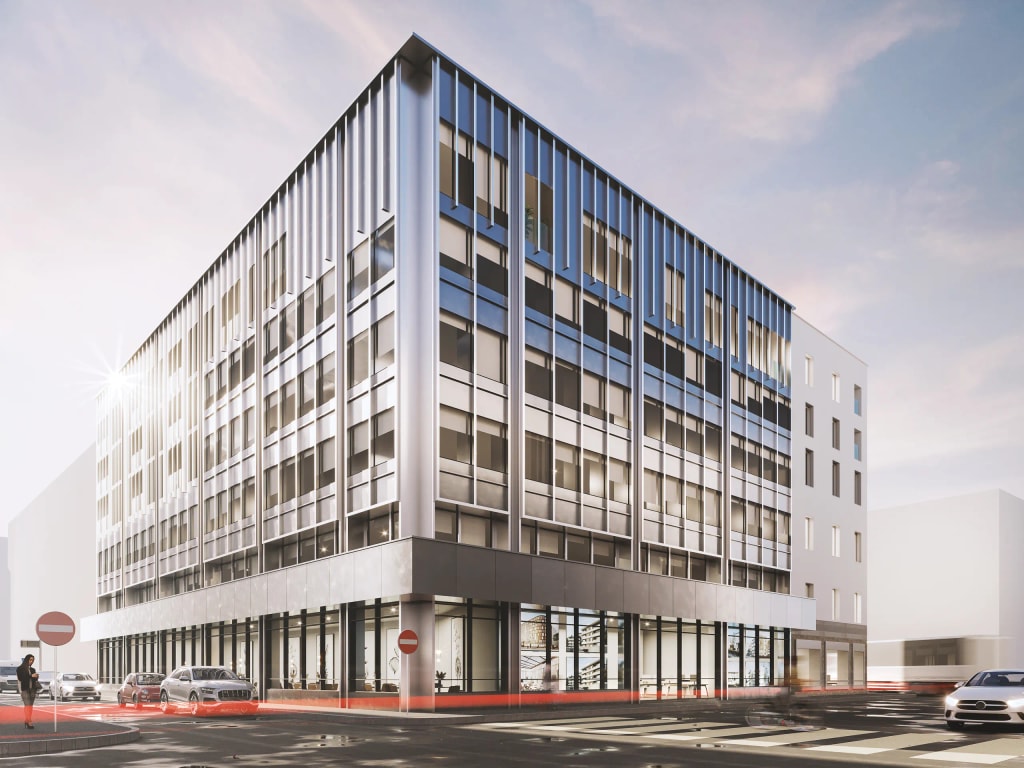
The portfolio is the calling card, but don't look only at the most beautiful images. Look for consistency: if a studio shows 50 renderings and only 3 are at the level you expect, those 3 might be exceptions. What you want to see is consistent quality across many different projects.
Also check that they have experience in your specific sector. A studio that does product rendering isn't automatically good with residential exteriors, and vice versa. The technical skills are different: ambient lighting, vegetation, architectural materials, urban context.
What to look for in a portfolio:
- At least 20-30 visible projects (not just the "top 5")
- Work in your sector (residential, commercial, product)
- Consistent quality across many projects, not isolated peaks
- A variety of lighting conditions (daytime, night, sunset)

2. Team and skills
Who actually works on your project? This question seems trivial but it's fundamental. Some studios have a polished portfolio but then assign the work to external collaborators with less experience.
Look for studios that have training in architecture or design on the team. The difference shows: someone with a technical background understands proportions, materials, architectural lighting. There's no need to explain what a concealed shutter box is or why zenith light works in a given space.
Questions to ask:
- How many people work at the studio?
- What is the team's background?
- Who will handle my project?
3. Price transparency
A serious studio gives you a detailed quote, not a generic number. If you ask how much a rendering costs and the answer is just "it depends on the project" with no indicative range, that's a sign of little transparency.
The factors that influence the price are objective: number of views, scene complexity, level of detail, timing. A studio that works with method knows how to quantify them and explain them to you. The ranges by service are in our rendering price guide.
Elements of a transparent quote:
- Price per single view (not just the total)
- What's included (number of revisions, post-production, formats)
- What costs extra (additional views, rush jobs, substantial changes)
- Delivery timing
4. Workflow
How does the studio work? What's the flow from briefing to delivery? A structured process protects both parties: you know what to expect and when, the studio knows what it has to produce.
Be wary of anyone who says "send me the files and I'll take care of it". A good rendering service includes at least: initial briefing, a proposal of camera angles, a draft phase for approval, final rendering, revisions.
A solid process includes:
- A structured briefing (what they ask you before starting)
- A proposal of framing/cameras
- A draft phase for approval before the final rendering
- A defined number of revisions
- Delivery with specified formats and resolutions
How we work
A clear process has clear timing
- 1Briefing1 day
We gather the project's materials, references and goals
- 2Framing draft2-3 days
We propose cameras and composition to approve before the rendering
- 3Client approval
You confirm the framing and direction before we proceed
- 4Final rendering2-3 days
High-resolution photorealistic computation
- 5Revisions and delivery1-2 days
We refine the details and deliver the final files
5. Technology and software
You don't need to become a 3D software expert, but it's useful to know what the studio works with. Professional rendering engines like Corona Renderer, V-Ray or Unreal Engine produce very different results from free tools or unsupervised generative images.
Also check what the studio does in-house and what it delivers to the client. It's one thing to use accessory workflow tools (denoising, vegetation generation, upscaling) as part of the process. It's another to sell generative images as the final deliverable. For property sales, for planning approvals and for commercial brochures, the deliverable has to come from the project's technical drawings, not from a prompt.
6. Revisions and guarantees
Revisions are the point where many relationships break down. Clarify right away: how many revisions are included? What is meant by "revision"? (Changing the color of a wall and redesigning the whole scene are very different things.)
A professional studio includes a defined number of revisions in the quote and specifies what falls within a standard revision and what constitutes a substantial change. This clarity is to your advantage.
7. References and track record
The numbers speak. How long has the studio been around? How many projects has it completed? Does it have clients in your sector you can contact?
They don't need to give you a list of 50 references. But if you ask "can I speak with one of your clients in my sector?" and the answer is evasive, take note.
Awards count too: prizes, mentions, features in industry magazines are verifiable indicators of quality.
Red flags: warning signs in your choice
After years in the industry, we've learned to recognize the signals that point to problems. Here are the most common ones.
No visible portfolio. If a render studio doesn't show its work, or shows very little of it, ask yourself why. It might be new (legitimate) or it might not want to show the real quality of its work.
Prices well below average. A professional rendering takes hours of skilled work. If someone offers you a price that seems too good to be true, it probably is. It doesn't mean you have to choose the most expensive option, but an exterior rendering of a villa for 100 euros should set off an alarm.
No defined process. "Send me everything and we'll see." This approach almost always leads to misunderstandings, delays and results that don't match expectations.
No contract or written agreement. Even for a single rendering, you need a clear agreement on what is delivered, when, at what price, with how many revisions. If the studio doesn't propose any document, you propose at least a written confirmation by email.
Slow response times before you've even started. If they reply after a week to a quote, how long will they take during the project?
How to recognize a serious service
The quote already says a lot
Professional approach
Itemized quote
Clear items, price per view, revisions included, timing and formats
Sloppy approach
Generic email
Just a total price, with no detail on what's included and when
Freelancer vs structured studio: pros and cons
This is one of the questions we get most often. It depends on the project and the budget.
Freelancer
Advantages:
- Often cheaper (less overhead)
- Direct relationship with the person doing the work
- Flexibility on hours and negotiation
- For small projects and single renderings, it can be the right choice
Limits:
- Limited capacity (one project at a time)
- Risk of unavailability (holidays, illness, other clients)
- Less structure in the process
- Hard to manage complex projects with many views
- Skills often specialized in a single area
Structured studio
Advantages:
- A team with complementary skills
- The capacity to manage large, complex projects
- A defined, repeatable process
- Continuity: the project doesn't stop if one person is away
- Often a more varied background (architecture + design + post-production)
Limits:
- Generally higher costs
- Less flexibility in negotiations
- You might not work directly with the person doing the rendering
Our practical advice: for a single rendering of a simple project, a good freelancer can be the most efficient choice. For projects with multiple views, tight timing or a need for consistent quality over time, a structured studio offers more guarantees.
A quick way to tell which one you are dealing with: a structured studio publishes starting prices and turnaround times per type of work, instead of quoting on request only. Ours are in our rendering services, split into interior rendering, exterior rendering, furnished floor plans and virtual tours.
Checklist: questions to ask before you choose
Before you confirm a rendering studio, ask these ten questions. The answers will tell you a lot about the professionalism of the rendering service.
- Can I see the full portfolio, not just a selection?
- Who will actually work on my project, and what is their experience?
- What is the workflow, step by step from briefing to delivery?
- How many revisions are included in the price, and what counts as a revision?
- What is the realistic timeline for my project?
- What's included in the price and what might cost extra?
- In what format do you deliver the final files? (Resolution, format, variants)
- Do you have experience in my specific sector?
- What happens if I'm not satisfied with the result after the included revisions?
- Can I have a contact for one of your clients in my sector?
If the studio answers all these questions clearly and directly, that's a good sign. If some answers are vague or evasive, factor that into your evaluation too.
Have you found your studio or do you still have doubts? Write to us: we answer all these questions before we even talk about quotes.
How we work at Archivision
We're not asking you to take our word for it. Here's how we ourselves answer the criteria described above.
Portfolio. Over 500 projects completed since 2020, visible in our portfolio. We work with architecture firms, real estate agencies, developers and furniture brands in Italy and Switzerland.
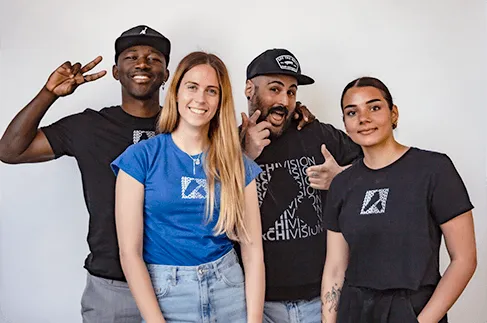
Team. A team with training in architecture and design. We speak your technical language, we understand your design needs. You don't have to explain what an aerial rendering is or why you want the 5pm light in a particular season.
Prices. Transparent. On our site you'll find indicative ranges, and you can calculate a quote online in a few minutes. Every quote details: price per view, revisions included, timing, extra costs.
Process. Structured into clear phases: briefing, framing proposal, draft for approval, final rendering, revisions. Project kickoff right after confirmation. Average turnaround: 5-7 business days.
Technology. We work with the leading professional rendering engines (3ds Max + Corona Renderer). Every image delivered is composed, lit and finished by a human operator on the project's 3D model: we don't sell generative images as the final deliverable.
Revisions. Included and defined in the quote. You'll know exactly how many revisions you have and what each one covers.
Track record. CGMood 2023 winners. Active clients in Italy and Switzerland. You can read more about our story on the about us page.
Frequently asked questions
How long does it take to receive the renderings?
Timing depends on the complexity of the project. To give you a concrete reference: a standard project with 3-5 renderings takes 5-7 business days from confirmation of the briefing. More complex projects or those with many views can take 2-3 weeks. What matters is that the studio gives you a clear timeline before starting.
What do I need to provide to the studio to get started?
The minimum material is the floor plans and a few visual references of the style you want (inspiration images, mood board, material references). If you already have a 3D model, even better: it reduces time and cost. A professional studio will guide you on what's needed with a structured briefing.
Can I ask for changes after delivery?
It depends on the agreement. Most professional studios include a defined number of revisions in the price. Structural changes (completely changing the framing or the furnishing) usually carry an additional cost. Clarify these aspects before starting.
Local or remote studio: does it make a difference?
In 2026, working remotely is the standard in the rendering industry. Communication happens through video calls, email and sharing platforms. What matters isn't geographic proximity, but the quality of the communication and the workflow. We work with clients all over Italy and Switzerland without distance ever being a problem.
How do I know if the price is right?
Compare at least 2-3 quotes for the same project. Don't automatically choose the cheapest or the most expensive. Look at what's included: number of revisions, post-production, delivery formats. A higher price with revisions included can cost less than a base price with every change billed separately. To get your bearings, see our rendering price guide.
In summary
- Evaluate a rendering studio on objective criteria: portfolio, team, price transparency, process, technology, revisions and references
- The main warning signs are: no portfolio, prices that are too low, no defined process, no written agreement
- Freelancer and structured studio both have pros and cons: choose based on the complexity of your project
- Ask the checklist questions before deciding: the answers will tell you more than any portfolio
Want a detailed, transparent quote for your project? Calculate your quote online in 2 minutes, or write to us: we'll reply within 24 business hours with a structured proposal.