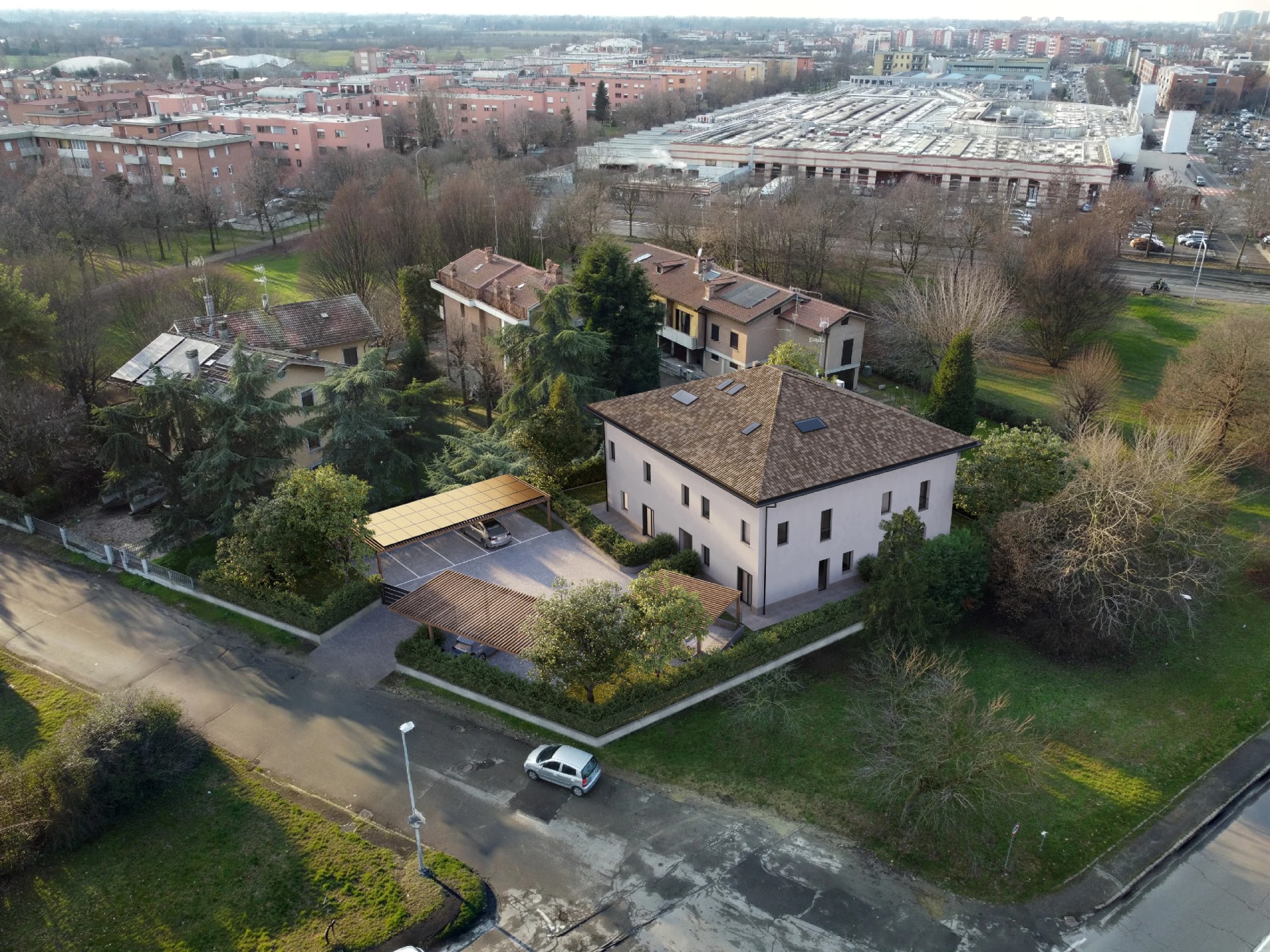
"But isn't a nice photo enough?" We get this question often, and it's a fair one. The problem is that you can't photograph something that doesn't exist yet. And this is exactly where 3D rendering comes in.
Whether you're an architect, a real estate developer or simply someone designing their own home, understanding what rendering is and how it works can make the difference between selling an idea and leaving it on paper.
What is 3D rendering
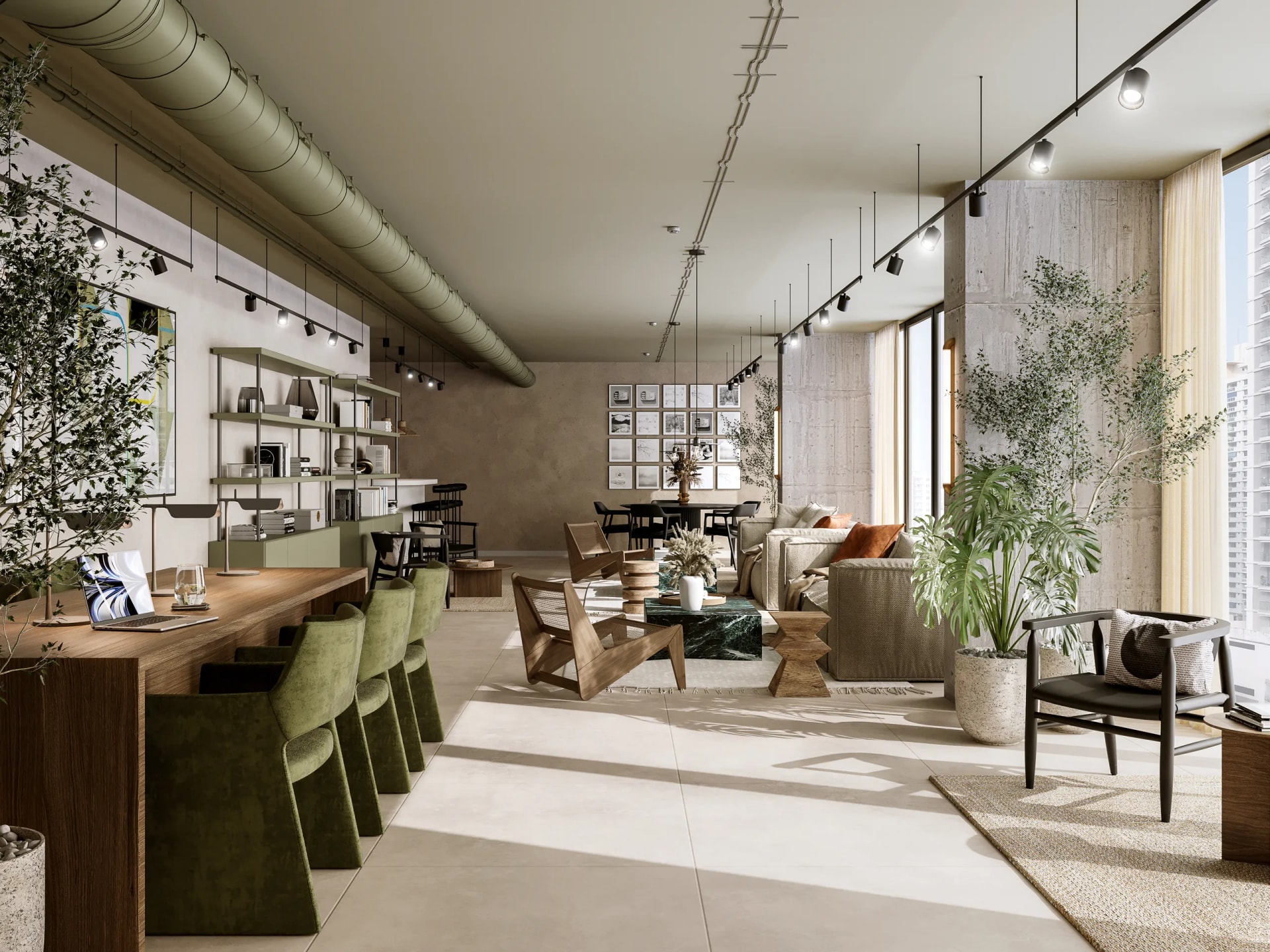
3D rendering is the process that turns a three-dimensional digital model into a photorealistic image. In even simpler terms: you take a project that exists only inside the computer and make it look like a real photograph.
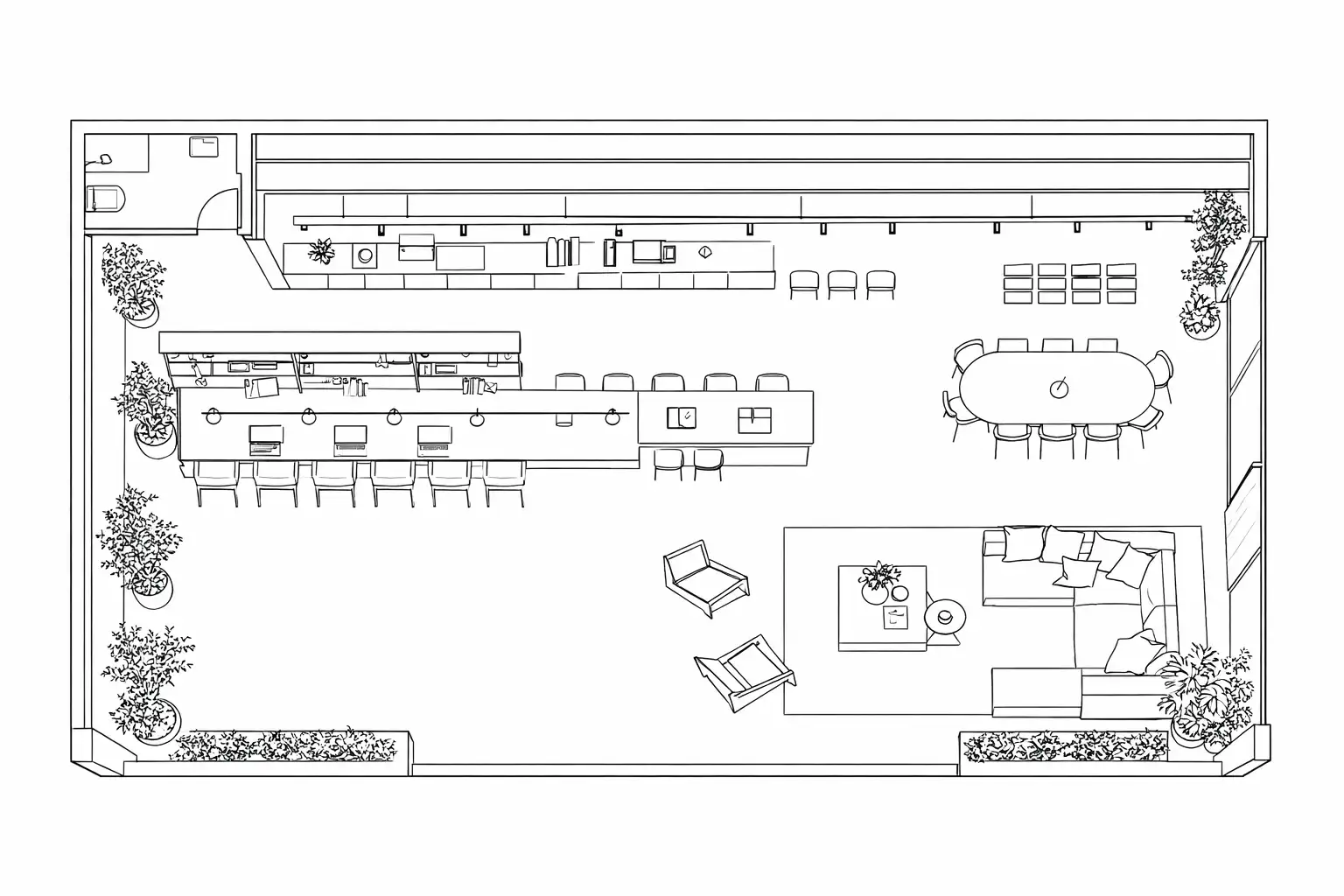
In our studio we work mainly with architectural and real estate projects. When an architect sends us the floor plans of a villa that will be built in six months, we create images that show exactly what that villa will look like: the materials, the sunset light coming through the windows, the furniture, even the shadows of the trees on the floor.
The difference from a traditional drawing? A technical drawing requires skill to be read. A rendering is understood by everyone, from the end client to the investor who has to decide whether to finance the project.
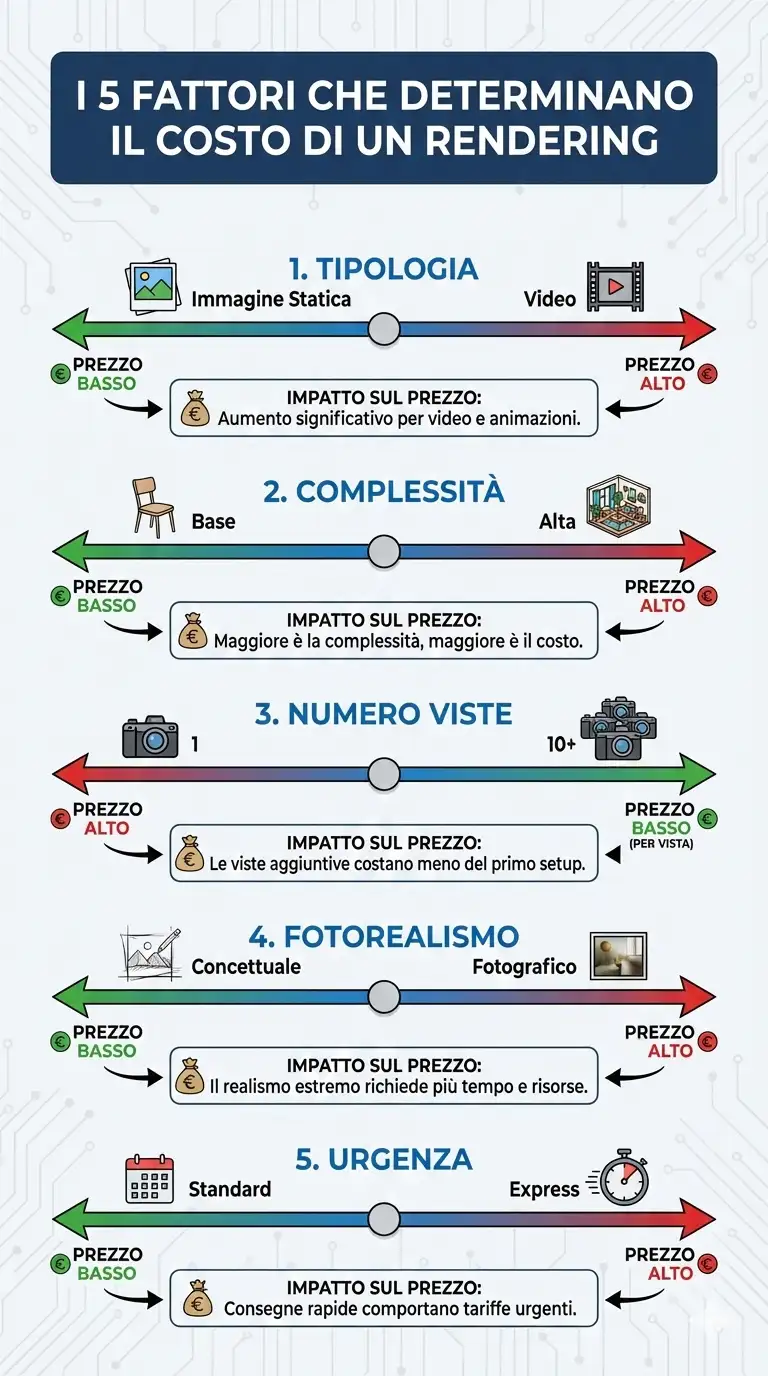
In practice, this process takes shape across different services, from interior renderings to exterior and product ones. And if you're wondering about the figures, you'll find everything in the guide on how much a rendering costs.
How it works
Here's what happens when we work on a rendering, told as if we were baking a cake instead of building pixels:
1. The base: the 3D model
First of all you need a three-dimensional model. We can build it ourselves starting from the architect's floor plans, or we receive the 3D file directly if the designer has already prepared it. It's like building the foundations of a house: first you put up the structure, then you think about the finishes.
2. The materials
Here we decide what every element of the scene is made of. Is that floor parquet or stoneware? Are the walls smooth plaster or natural stone? Every surface has different physical characteristics: some reflect light, some absorb it, others are transparent.
In rendering this translates into textures and properties that the software has to compute. But you don't need to worry about it: what matters is that when you look at the final result, you see real wood, not a digital imitation.
 Materials are not 'drawn', but physically simulated
3. The lighting
Light is everything. Literally. In rendering we don't simply switch the bulbs on: we simulate how light behaves in the real world. How it bounces off the walls, how it passes through glass, how it creates soft or sharp shadows depending on the time of day.
When a client asks to see the kitchen "with the morning light", we're not just changing a filter on an image. We're recalculating how the 8:00 am sun's rays enter through that specific window, in that specific month, at that latitude.
4. The actual rendering
This is the part where the computer does the magic. It takes all the data (model, materials, lights) and computes how they would appear in reality. It's a process that can take from a few minutes to several hours, depending on how complex the scene is.
We use professional software that computes millions of simulated light rays to create a single photorealistic image. But, again, you don't need to know how your car's engine works in order to drive it.
5. Post-production
The last step: we add the final details to make the image even more convincing. A bit of depth of field like a real camera would produce, maybe a light glow on the reflective surfaces, a touch of atmosphere.
Why 3D rendering has become essential
Ten years ago rendering was a luxury. Today it's a standard. Let's see why.
Selling before building
The most common application: real estate. Developers have to pre-sell apartments in a building that doesn't exist yet. How do you convince someone to invest €300,000 in four walls they only see as a floor plan?
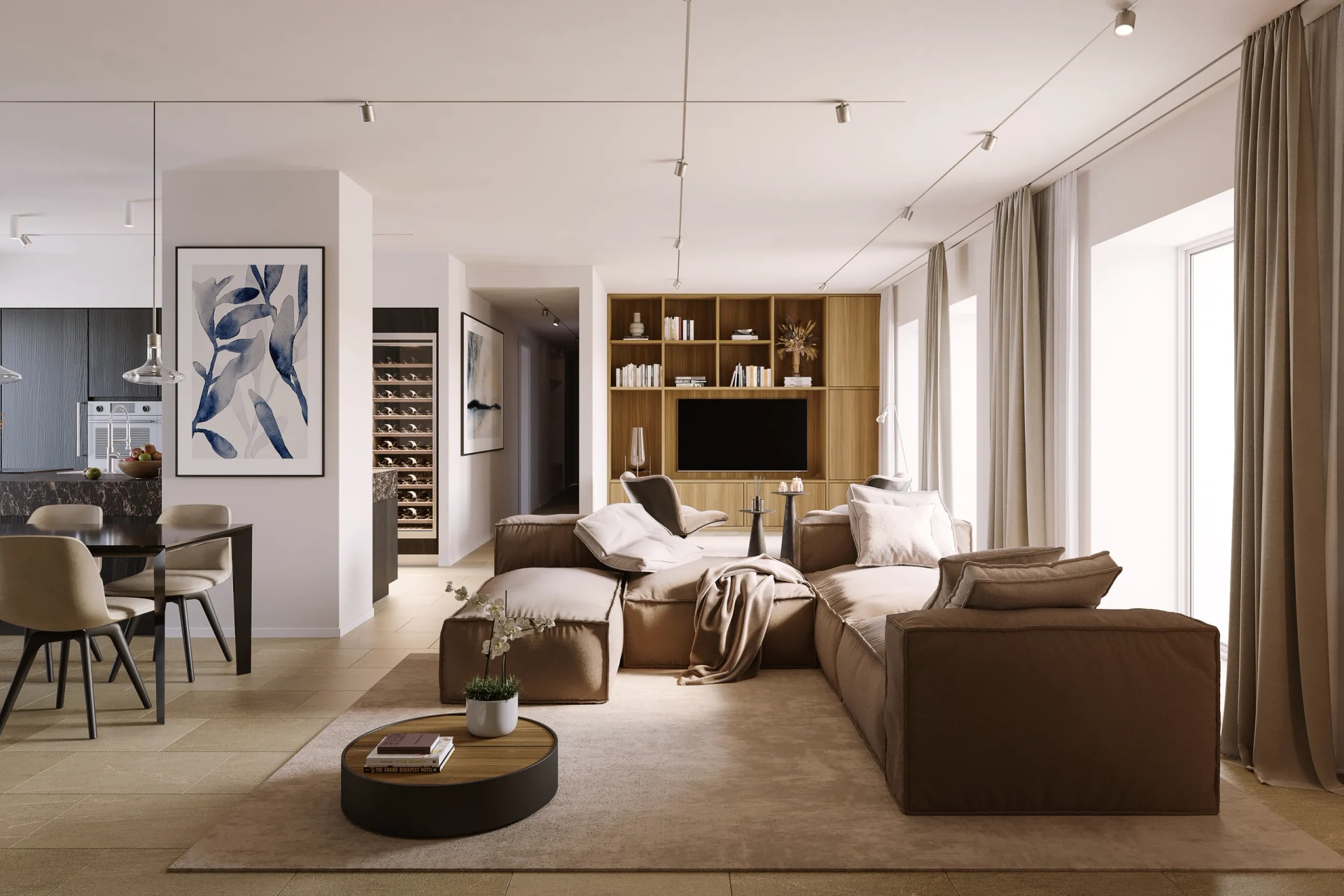
With rendering you can show that kitchen with a lake view as if it were already there. The client can see the layout of the spaces, understand how the light comes in, picture their own furniture in that space. According to recent data, 77% of buyers find it easier to visualize a property when they see 3D renderings compared to traditional methods.
Avoiding costly mistakes
I remember a project where the architect had placed a huge window on the west side of the house. Beautiful on paper. When we did the rendering with the summer afternoon light, you could clearly see that the living room would turn into an oven.
Fixing that problem at the design stage: zero euros. Fixing it after building: tens of thousands of euros.
Rendering lets you see the problems before they become reinforced concrete.
Communicating with everyone
Architects and engineers speak the language of technical drawings. Clients don't. Rendering is the universal translator: everyone understands what they're looking at, with no need for explanations.
This holds within projects too. When we have a site with bricklayers, electricians, tilers and decorators, the rendering becomes the shared reference point. Everyone works looking at the same image of the final result.
The practical applications
Architectural rendering is only one slice of the market. Let's see where else it's used.
Architecture and real estate
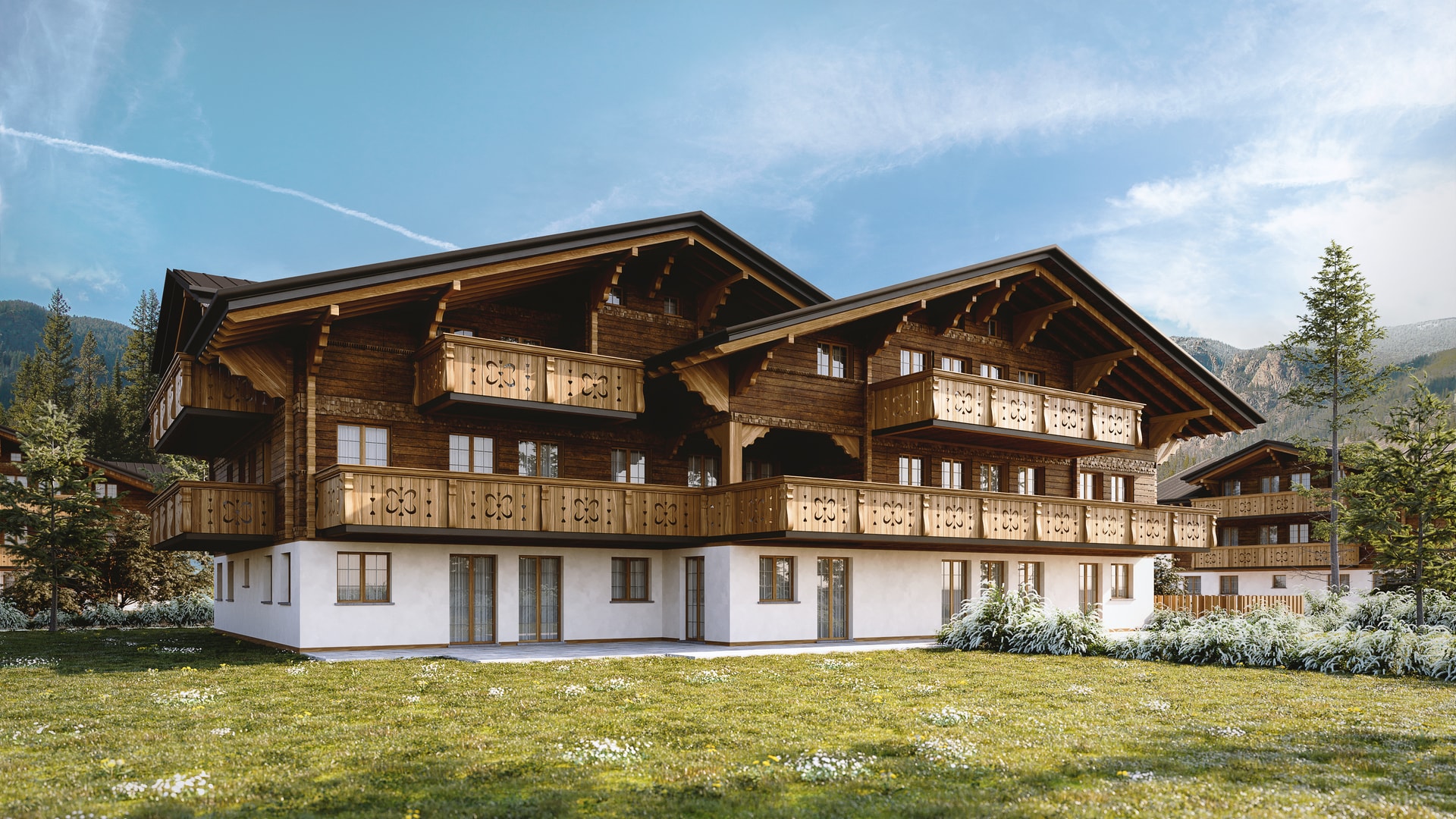
The main application, as we've seen. Exteriors of villas, interiors of apartments, residential complexes, offices, hotels. If it has foundations and a roof, someone probably rendered it before building it.
Interior design
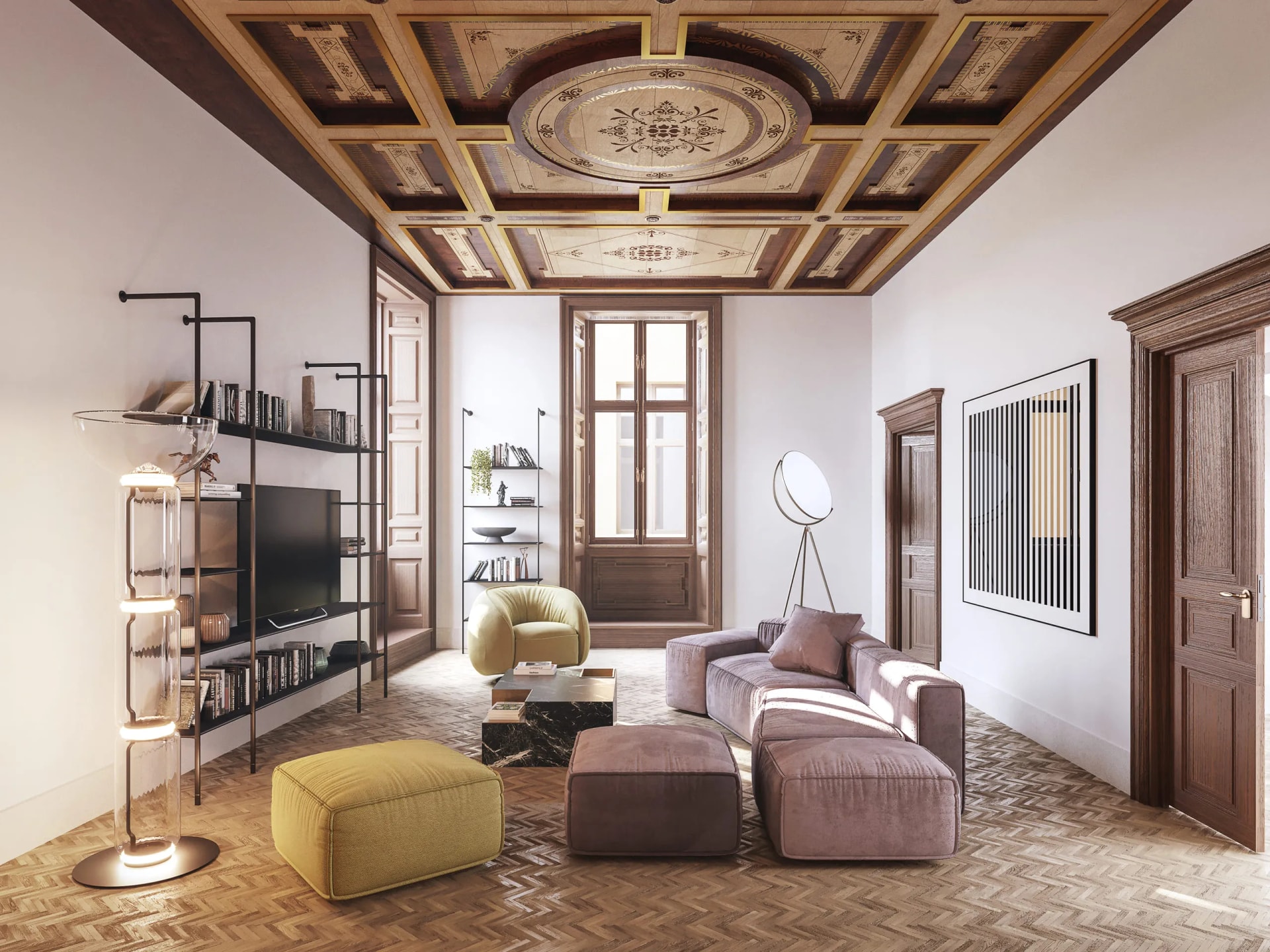
Here too the concept is identical: showing what a space will look like before ordering furniture and materials. An interior designer can propose three different solutions for the same living room, change them based on the client's taste, and all of this without moving a single sofa in the real world.
Product design
Manufacturers of furniture, appliances and bathroom fixtures use renderings for their catalogs. Much cheaper and more flexible than photographing dozens of color variants of the same washbasin.
Renovations
"How will my house look after the work?" It's one of the questions that causes the most anxiety in a renovation. Rendering removes the uncertainty: you see the before and after, you decide with peace of mind.
Artificial intelligence is changing everything
And here we get to the present-future. According to the "State of AI in Architecture" report by Chaos and Architizer, 46% of architecture firms already use artificial intelligence in some phase of the creative process, and 74% plan to increase its use in the coming months.
What AI does in rendering
Artificial intelligence is changing rendering in two main ways:
Extreme speed What used to take hours of computation now takes minutes. Some AI-powered software generates a render from a sketch in literally 30 seconds. It's not science fiction: we already use it for quick concept phases.
Creative generation Generative AI tools (like Midjourney, DALL-E, or tools specific to architecture) can create design variants starting from simple text descriptions. You write "modern villa with glass walls, pool, hilly setting at sunset" and you get photorealistic images to start from.
The limits (which still exist)
A word of caution: AI does not replace traditional photorealistic rendering. Not yet, at least. AI tools are excellent for exploring ideas quickly, for preliminary presentations, for communicating a concept. But when you need absolute precision, exact measurements, specific materials from the supplier's catalog, classic rendering remains irreplaceable.
AI is like a quick sketch made by an artist: it gives you the idea, it captures the atmosphere. Professional rendering is like a technical photograph: every millimeter counts.

The near future
Virtual reality (VR) and augmented reality (AR) technologies are entering the architectural rendering process. Instead of looking at static images, clients will put on a headset and walk inside their future apartment.
Cloud rendering is bringing down hardware costs: instead of having very expensive computers in the studio, the computation is done on remote servers. This makes professional rendering more accessible even to smaller studios.
AI is starting to integrate real data into the render: building regulations, material costs, energy efficiency. This way the image stops being just an aesthetic output and becomes a tool for verifying the project.
In summary
- 3D rendering turns digital models into photorealistic images that anyone can understand
- It works by simulating physics, materials and light just like in the real world
- It has become essential for selling real estate projects, avoiding costly mistakes and communicating effectively
- Artificial intelligence is making it faster and more accessible, but it does not (yet) replace the precision of traditional rendering
- The global architectural visualization market is worth over 3 billion dollars and keeps growing at rates above 7% per year
Have a project that needs to take shape before the work even begins? Find out what it would cost in 30 seconds with our online calculator, or get in touch: we reply within 24 business hours.